 King County
 Board & Batten in Seattle: A Style That Has to Earn Its Keep
Board and batten has become one of the most requested looks in Seattle's remodeling market — it shows up on modern farmhouse builds, craftsman bungalows getting a refresh, and new construction all over King County. The vertical lines, the shadow pattern the battens throw, the way it reads as both traditional and current at the same time — homeowners like it for good reason. But in this climate, board and batten is not just a style choice. It's a decision about how a home sheds water, resists moss, and survives salt-laden air rolling in off Puget Sound. Get the material and the installation right, and it's one of the best-looking, most durable siding profiles you can put on a house here. Get it wrong, and the same vertical seams that make it attractive become the exact spots where water finds its way in.
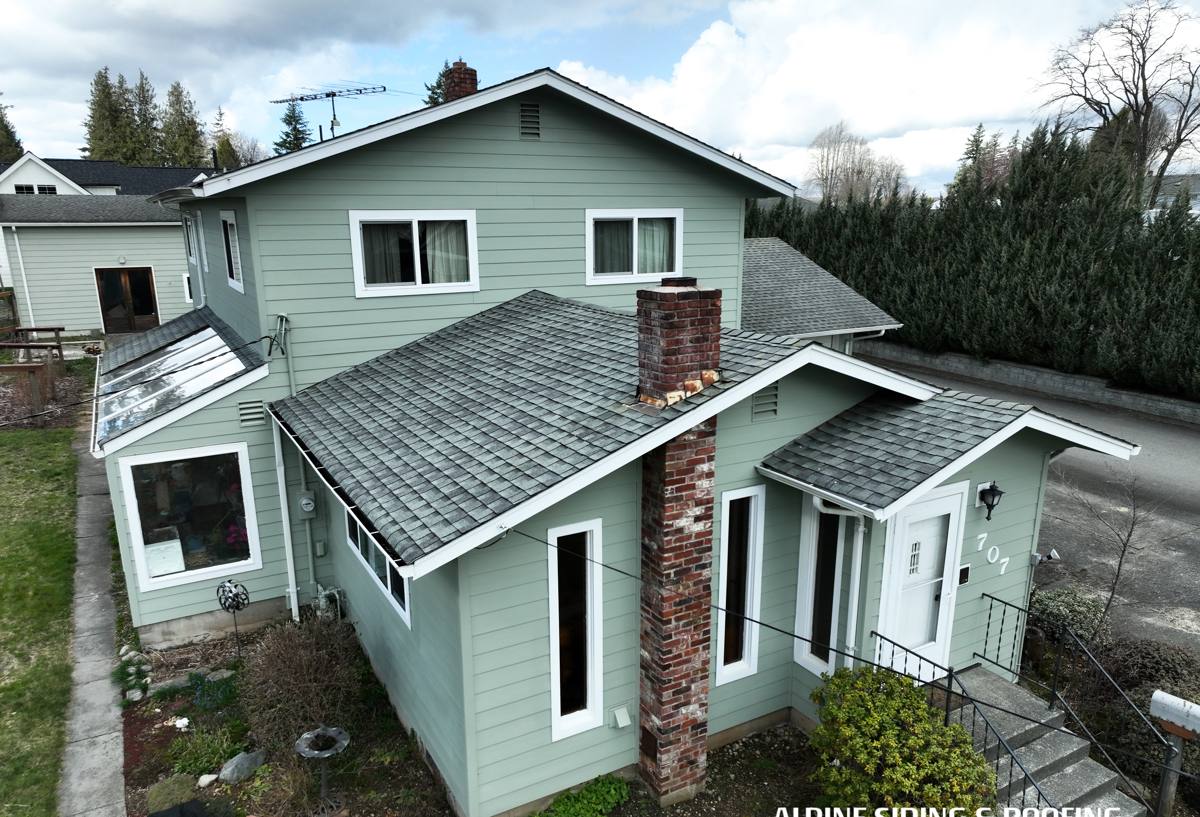
What Seattle's Climate Actually Does to a Board & Batten Wall
King County doesn't get hurricane-force weather, but it makes up for that with persistence. Seattle sees months of low-intensity, wind-driven rain that hits siding at an angle rather than straight down — which matters enormously for a vertical siding profile with seams running top to bottom. Add in proximity to salt water for much of the county, and you've got airborne salt that accelerates corrosion on fasteners, trim, and any metal flashing that isn't rated for it. Then there's moss season, which in this region is really most of the year: shaded north- and west-facing walls, tree cover, and near-constant damp conditions give moss and algae everything they need to take hold, especially in the horizontal reveal at the top of each batten where debris and moisture like to sit.
None of that is a reason to avoid board and batten. It's the reason the material and the installation details matter more here than they would in a drier climate.
Why the Material Choice Matters More With This Profile
Board and batten exposes more seams per square foot of wall than almost any other siding profile. Every vertical joint between panels, and every batten strip covering those joints, is a place where moisture can get behind the cladding if the material moves, cups, or fails to hold paint. That's why we install this look exclusively in James Hardie fiber cement — specifically HardiePanel vertical siding paired with Hardie trim boards used as battens, both engineered under James Hardie's HZ5 formulation for the wetter, more moderate climates found in the Pacific Northwest.
What HZ5 Engineering Means for a King County Home
James Hardie makes region-specific formulations of its fiber cement, and HZ5 is built for exactly the conditions Seattle sees: sustained moisture exposure, mixed freeze-thaw cycles, and long stretches of damp weather rather than intense heat. Fiber cement doesn't absorb water the way wood-based products can, it won't rot, and it's non-combustible — which matters even in a wet climate, since wildfire smoke and ember exposure have become a real consideration for Western Washington in dry summer stretches.
ColorPlus Finish and Why It Matters on Vertical Panels
Board and batten walls get more direct rain impact per seam than lap siding, so finish quality shows up faster. James Hardie's ColorPlus finish is baked on at the factory in a controlled process, which gives it more consistent coverage and better fade and moisture resistance than a field-applied paint job — a real advantage on a profile where every batten edge is a potential weak point if the finish is thin or uneven.
What a Correct Board & Batten Installation Actually Involves
The finished look of board and batten hides almost everything that determines whether it will perform. Two houses can look identical from the sidewalk and behave completely differently in a King County winter, depending on what's happening behind and between the boards.
Drainage Plane and Rainscreen
Vertical siding needs a functioning drainage plane behind it — a water-resistive barrier, and in most cases a rainscreen gap, that lets any moisture that gets past the cladding drain and dry out instead of sitting against the sheathing. This is not optional in a climate that stays damp as long as Seattle's does. Skipping or shortcutting the rainscreen is one of the most common ways board and batten fails prematurely.
Panel Gaps, Fastening, and Batten Placement
Fiber cement panels need proper expansion gaps at joints, correct fastener spacing and embedment so panels don't work loose over time, and battens installed to cover seams without trapping water against the panel face. Cut edges — at window and door openings especially — need to be sealed and primed, since exposed, unfinished fiber cement is where moisture problems start.
Flashing at Every Horizontal Break
Every horizontal transition — window heads, roof-to-wall intersections, deck ledgers — needs flashing detailed to shed water out and away from the wall assembly, not just caulked and hoped for. On a driving-rain profile like board and batten, flashing shortcuts are the single most common cause of hidden rot behind the cladding.
Bottom Clearance
The bottom edge of the siding needs proper clearance above grade, hardscape, decks, and roof lines. In a region where moss and standing moisture are a given, that clearance is what keeps the lowest boards from becoming the first ones to fail.
Board & Batten Material Options: How They Actually Compare Here
| Material | Moisture & Salt-Air Behavior | Maintenance in King County | Why We Do or Don't Install It |
|---|---|---|---|
| James Hardie fiber cement | Won't rot, doesn't absorb moisture, factory finish holds up to driving rain | Occasional wash, periodic caulk and flashing checks | Our standard install for this look |
| Vinyl board & batten | Can warp or become brittle with temperature swings; seams can loosen over time | Low, but limited repair options once damaged | We don't install it — appearance and long-term seam performance don't hold up to our standard |
| Engineered wood (LP SmartSide-type) | Treated wood substrate is more moisture-sensitive at cut edges and seams than fiber cement | Requires more diligent caulk and edge maintenance | We don't install it — the maintenance burden is higher than we're willing to put on a homeowner in this climate |
| Real cedar board & batten | Handsome, but wood is wood — moisture, moss, and UV exposure all take a toll over time | Regular refinishing and moisture monitoring | We don't install it — the upkeep commitment doesn't fit most homeowners' expectations today |
How We Approach a Board & Batten Project in Seattle
Every project starts with a look at the wall assembly itself, not just the finish coat you'll see. On a re-side, that means checking what's happening behind the existing siding before anything new goes up.
- On-site evaluation of the existing wall, drainage plane condition, and any problem areas — north- and west-facing walls with heavy shade get particular attention given how much moss and moisture they tend to hold.
- Confirming or installing a proper water-resistive barrier and rainscreen gap before any panel goes up.
- Installing HardiePanel vertical siding with correctly spaced fasteners and expansion gaps.
- Setting battens over the seams with sealed, primed cut edges — no exposed raw fiber cement anywhere on the wall.
- Flashing every window, door, roofline, and horizontal transition before it's covered.
- Final walkthrough covering clearance at grade, caulk lines, and finish consistency.
Living With Board & Batten in a Marine Climate
James Hardie's factory finish and non-combustible composition cut down on maintenance significantly compared to wood or engineered alternatives, but no siding in King County is truly maintenance-free. A short seasonal check keeps a board and batten wall performing the way it's supposed to.
- Rinse salt and airborne grime off walls facing open water once or twice a year.
- Check shaded and north-facing battens for early moss or algae growth, especially going into the wetter fall and winter months.
- Keep gutters clear so overflow isn't running down the wall face.
- Trim back vegetation and tree cover that keeps a wall section damp and shaded longer than the rest of the house.
- Inspect caulking at windows, doors, and trim joints yearly — this is the first place a small gap turns into a real problem.
- Watch for anything unusual at the base of the wall, where clearance and drainage matter most.
Why It Matters to Hire a Crew That Already Works This Area
Board and batten performance in Seattle comes down to details that don't show up in a sales brochure: how a crew handles rainscreen gaps on a wall that gets six months of steady rain, how they flash a roof-to-wall intersection that's going to see driving rain at an angle, and how they think about moss exposure on the shaded side of a lot. A crew that works King County regularly has already seen what happens when those details get skipped, and builds the wall assembly with this climate in mind from the start — not as an afterthought. Permitting norms, typical lot shading patterns, and the realities of a marine climate are things you learn by doing the work here repeatedly, not by reading a manufacturer's install guide once.
If you're considering board and batten for a home in Seattle or elsewhere in King County, we're happy to take a look at your walls, talk through what the profile would involve for your specific house, and give you a straightforward, no-pressure estimate.