 King County
 Shoreline's Siding Problem Isn't Rain Alone — It's Rain Plus Salt Plus Shade
Shoreline sits close enough to Puget Sound that homes here deal with a combination most inland King County neighborhoods don't: salt-laden air moving off the water, driving rain that hits siding at an angle instead of falling straight down, and heavy tree canopy that keeps north- and west-facing walls damp and shaded for weeks at a stretch. Any one of those on its own is manageable. Together, over years, they're what turns a mediocre siding job into a maintenance headache and a good one into a wall that just works.
Salt air is corrosive to exposed metal fasteners and trim. Driving rain finds every gap in flashing and caulk that a calmer climate would never test. And shade plus moisture is exactly what moss and algae need to take hold on a wall surface. Fiber cement siding, installed correctly, is built to shrug off all three — but "installed correctly" is doing a lot of work in that sentence, and it's the part that separates a siding job that lasts twenty-plus years from one that starts showing problems in five.
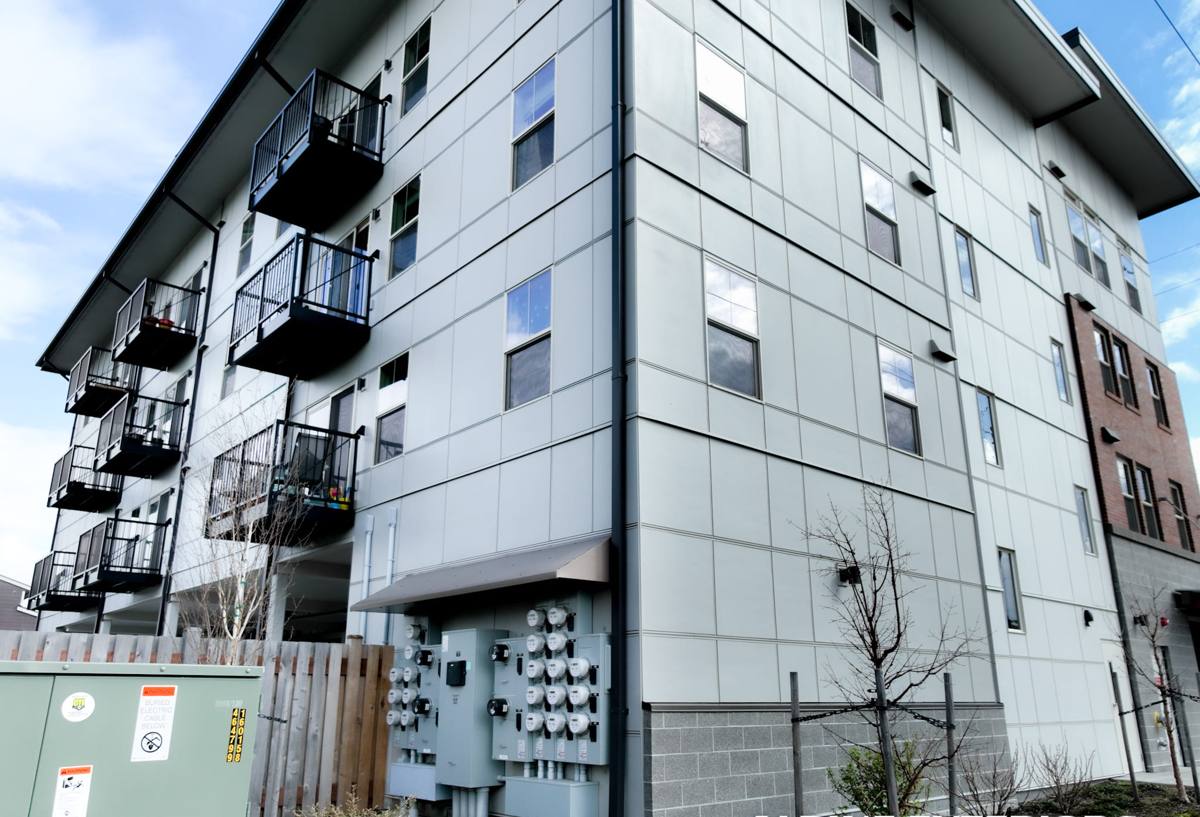
What Fiber Cement Needs to Do on a Shoreline Home
Fiber cement is cement, sand, and cellulose fiber pressed and cured into planks. It doesn't rot, it doesn't feed pests, and it's non-combustible — none of that changes based on zip code. What does change with a site like Shoreline is how much the installation details matter:
- Moisture management behind the siding. Rain-screen gaps, correctly lapped weather-resistive barrier, and properly flashed windows and penetrations matter more here than in a drier part of the county, because driving rain off the Sound puts more water against the wall more often.
- Fastener corrosion resistance. Salt air accelerates corrosion on cheap or improperly coated fasteners. Using hot-dip galvanized or stainless fasteners rated for the exposure, and setting them to the manufacturer's depth and spacing, is not optional this close to the water.
- Factory-cured finish. A factory-applied finish that's baked on and warrantied resists the freeze-thaw and wet-dry cycling of a Pacific Northwest winter far better than field-applied paint, which is one reason we don't install primed or unfinished siding products.
- Airflow and clearance for shaded walls. Where tree cover keeps a wall damp longer, proper ground clearance and trim detailing give the wall a chance to dry between rain events instead of staying wet.
Why We Install Only James Hardie Fiber Cement
We don't install vinyl, LP SmartSide, Cemplank, Allura, or unfinished cedar or spruce siding — not because those products can't be installed well by someone, but because after years of working on homes in King County's climate, James Hardie's engineered-for-climate HZ product lines, factory ColorPlus finish, and transferable warranty are the combination we're willing to put our name behind. Hardie's fiber cement is non-combustible, holds paint and color far longer than field-finished alternatives, and has a long track record in wet Pacific Northwest conditions specifically — which matters more in a place like Shoreline than in a drier climate where a lower-tier product might get away with more.
That's a standard we apply to every home we side, not a sales pitch built for this page. If you want the fuller comparison of why we passed on other products, that's covered on our general siding pages — here, the short version is: this is the product we trust against salt air, driving rain, and moss, and it's the only one we'll put a warranty behind.
What a Correct Job Looks Like
A fiber cement installation done right involves a lot of steps that never show up in the finished look of the wall. Here's the checklist we work from on every Shoreline job:
- Remove old siding and inspect sheathing for rot, especially around windows, corners, and any area that's been shaded and damp long-term
- Repair or replace damaged sheathing before anything new goes up — covering rot never fixes it
- Install a weather-resistive barrier, correctly lapped shingle-style so water sheds outward, not into the wall
- Set up a rain-screen gap so water that gets behind the siding can drain and the wall can breathe and dry
- Flash all windows, doors, and penetrations so water is directed out and away from the sheathing, not funneled behind it
- Fasten Hardie planks with corrosion-rated fasteners at manufacturer-specified spacing and depth — not overdriven, not underdriven
- Maintain proper clearance from grade, decks, and roof lines so the bottom edge of the siding isn't sitting in standing moisture
- Caulk and seal joints with a product rated for the exposure, not whatever's on the truck
- Final inspection of every seam, corner, and penetration before calling the job done
Comparing Siding Options for a Climate Like Shoreline's
Homeowners comparing quotes often see big price gaps between siding materials and assume they're comparing apples to apples. In a climate with this much rain and salt exposure, the differences matter more than the sticker price suggests:
| Material | How It Handles Driving Rain & Salt Air | Finish Longevity | Typical Lifespan Here |
|---|---|---|---|
| James Hardie fiber cement | Non-combustible, dimensionally stable, holds up well to wind-driven rain when installed with proper flashing and rain-screen detailing | Factory ColorPlus finish, warrantied against fading/chipping | 30+ years with correct install and normal upkeep |
| Vinyl siding | Can warp or crack in wide temperature swings and impact; seams can allow water intrusion behind panels | Color molded in, but fades and chalks over time; not repaintable without prep | Variable, often shorter in wet/wind exposure |
| LP SmartSide (engineered wood) | Wood-based core is more moisture-sensitive; edge sealing and maintenance are critical in a wet climate | Factory-primed, needs field-applied topcoat and ongoing repainting | Depends heavily on maintenance discipline |
| Unfinished cedar | Natural material, attractive, but absorbs moisture and is a food source for moss/mildew in shaded, damp conditions | Requires regular staining/sealing to hold up | Shorter without consistent, disciplined maintenance |
This isn't a knock on every product on that list — it's why, when we're the ones doing the installing, we've standardized on the option that needs the least fighting against Shoreline's specific climate to perform for decades.
Our Process on a Shoreline Job
We start with a walk-around that pays close attention to the things this climate actually stresses: which walls face the water and take the most driving rain, which walls sit under tree cover and stay shaded and damp, where old caulk or flashing has already started failing, and whether there's any sign of moisture getting into the sheathing. That assessment shapes the install plan more than a generic spec sheet would — a wall that gets hit hard by wind-driven rain off the Sound gets extra attention on flashing and rain-screen detailing; a shaded wall gets attention on clearance and airflow so it isn't sitting damp all winter.
From there it's tear-off, sheathing repair where needed, barrier and flashing work, Hardie plank installation, and a final walk-through before we call it finished. We coordinate what we can control — the install — but we're also candid with homeowners about what's on their side of the fence, like keeping tree branches trimmed back from the house, which does more for moss prevention than any siding product alone can.
Living With Moss Season
Moss and algae growth on siding in Shoreline is mostly a function of shade and moisture dwell time, not a defect in the siding material itself. A properly installed, properly finished fiber cement wall with good airflow and drainage will still get some green growth on its most shaded, north-facing sections over a long enough moss season — that's the climate, not the product. What correct installation does is keep that growth on the surface, where it can be washed off, instead of letting trapped moisture behind the siding turn into rot you can't see. A simple annual rinse (a garden hose and a soft brush, no pressure washer blasting into seams) is usually all a well-installed wall needs.
Why Hiring a Crew That Already Works Shoreline Matters
A lot of the details above — rain-screen gaps sized for actual driving-rain exposure, fastener choices that account for salt air, flashing sequencing that assumes a long wet season rather than an occasional shower — aren't things you learn from a manufacturer's install manual alone. They come from having done this work repeatedly in King County's specific conditions and seeing what actually fails first when it's done wrong. A crew that's worked Shoreline and the surrounding Puget Sound-adjacent neighborhoods knows which walls need the extra attention before they even start the walk-around, and that shows up in how the job holds up ten and twenty years out, not just how it looks the day it's finished.
Get a Straight Answer on Your Home
If your siding is original to the house, showing gaps or soft spots, or just tired of losing the fight against moss and moisture, we're happy to take a look and give you a straightforward, no-pressure assessment. Use the form below to request a free estimate — we'll walk the exterior, tell you what we actually see, and explain what a correct James Hardie installation would involve for your home.