 King County
 Siding Installation in Capitol Hill: What the Climate Actually Demands
Capitol Hill's mix of early-1900s craftsman homes, brick apartment conversions, and newer infill construction all share the same enemy: Puget Sound weather. Like the rest of King County, this neighborhood deals with salt-tinged marine air rolling in off the Sound, long stretches of driving, wind-pushed rain rather than the straight-down kind, and a moss and mildew season that can run eight months out of the year in shaded, north-facing exposures. Siding here isn't just a cosmetic layer — it's the primary barrier standing between that weather and a home's framing, sheathing, and insulation.
A siding installation that looks fine on day one but wasn't detailed correctly for this climate tends to fail quietly, behind the surface, long before anyone notices a problem from the sidewalk. That's the real risk in a market like Capitol Hill: rot, trapped moisture, and soft sheathing don't announce themselves until a remodel or a sale forces someone to open up a wall.
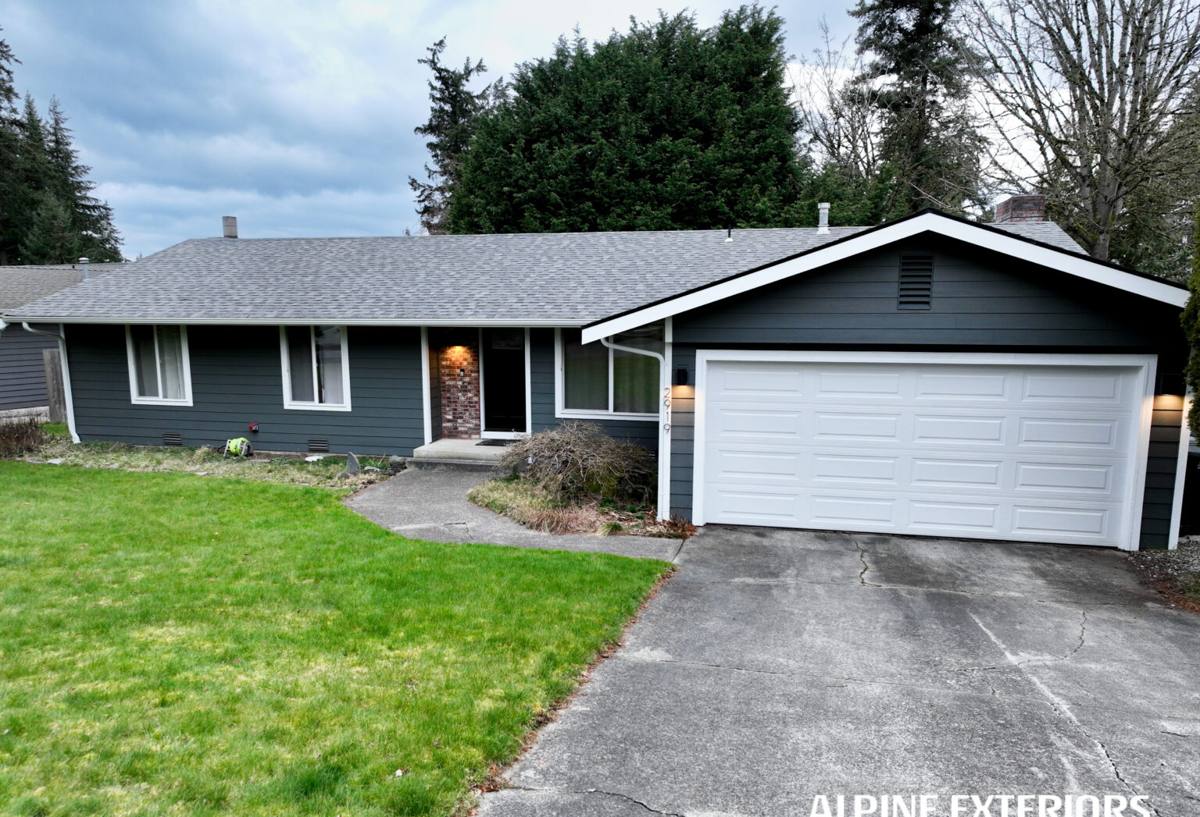
Why Correct Installation Matters More Than the Product Label
Homeowners often assume the material is what determines how well siding performs. In reality, installation quality decides it just as much, if not more. Any siding product — including the best fiber cement on the market — will underperform if it's installed with the wrong fasteners, insufficient clearances, or flashing details that don't account for wind-driven rain.
What a Correct Job Involves
- A continuous, properly lapped weather-resistive barrier behind the siding, with no gaps at seams or penetrations
- Flashing at every window, door, and roofline intersection, integrated with the barrier so water sheds outward, not inward
- Correct fastener type, spacing, and penetration depth into framing, not just sheathing
- Proper clearance between the bottom of the siding and grade, decks, roofs, and hardscape to avoid wicking
- Rain screen gap or drainage plane where the assembly calls for it, so incidental moisture can drain and the wall can dry
- Caulking and sealant used only where the manufacturer specifies it — not as a substitute for correct flashing
Skipping any one of these doesn't usually cause an immediate failure. It shows up two, five, or ten years later as soft trim, staining, or a siding panel that's begun to cup or separate.
Why We Only Install James Hardie Fiber Cement
We made a decision as a company to install James Hardie fiber cement siding exclusively. We don't install vinyl, LP SmartSide, Cemplank, Allura, primed spruce, or cedar. That's not a marketing position — it's a standard we hold because of what we've seen play out on real homes in this climate over time.
Where the Alternatives Fall Short in This Climate
Vinyl siding is inexpensive and low-maintenance, but it's a petroleum-based product that expands and contracts with temperature swings, can warp or crack in impact, and offers essentially no fire resistance. LP SmartSide and other engineered wood products use a wood-strand core that performs well when installation and maintenance are perfect, but any breach in the factory coating — a nail hole, a cut edge, a scrape — opens a path for moisture into a wood substrate, which is a real concern given how much of the year King County spends wet. Cedar and primed spruce are attractive but require an ongoing paint and sealing commitment that most homeowners underestimate, and both are combustible. Allura and Cemplank are also fiber cement, and reasonable products on paper, but we've standardized our crews, warranty process, and supply chain around one system rather than splitting attention across several.
Why Hardie Is What We Actually Install
James Hardie fiber cement is non-combustible, dimensionally stable across our wet winters and dry summers, and resists moisture absorption far better than wood-based alternatives. Hardie's HZ5 product line is engineered specifically for climates like ours — freeze-thaw cycling, high moisture exposure, and prolonged damp conditions. The ColorPlus factory finish is baked on under controlled conditions rather than field-applied, which gives it more consistent coverage and a longer service life than site-painted siding, backed by a real transferable warranty. When it's installed to spec, it holds up to what Capitol Hill weather does to a house year after year.
Product Comparison at a Glance
| Factor | James Hardie Fiber Cement | Vinyl | Engineered Wood (LP) | Cedar / Primed Wood |
|---|---|---|---|---|
| Fire resistance | Non-combustible | Combustible, can melt/warp | Combustible | Combustible |
| Moisture tolerance | Engineered for wet climates (HZ5) | Doesn't absorb, but can trap moisture behind it | Vulnerable if coating is breached | Absorbs moisture without upkeep |
| Finish | Factory-baked ColorPlus, long-lived | Color molded in, can fade/chalk | Factory-primed, needs field paint | Needs regular paint/stain |
| Maintenance | Occasional wash, repaint on your schedule | Low, but limited repair options | Coating touch-ups, edge sealing | Repaint/reseal every few years |
| Warranty structure | Strong, transferable | Varies widely by manufacturer | Varies, conditions apply | Typically none from a manufacturer |
What We See on Older Capitol Hill Homes
A large share of the housing stock in this neighborhood predates modern weather-resistive barrier and flashing standards. On many of these homes, the original siding was installed directly over sheathing with minimal drainage detailing, which was standard practice decades ago but doesn't hold up well to today's understanding of how wall assemblies need to breathe and drain in a marine climate. Common issues we run into include:
- Moss and algae buildup on north- and east-facing walls that stay shaded and damp longer through fall and winter
- Soft or delaminating trim around window and door openings where flashing was never properly integrated
- Paint failure and staining at butt joints and corners, usually a sign water is getting behind the siding rather than just sitting on the surface
- Siding installed tight to grade, decks, or roof lines with no clearance, which wicks moisture straight into the material
None of these are unusual for a neighborhood with this age of housing stock — but they're exactly why installation detailing matters as much as the siding product itself.
Our Installation Process
- On-site assessment. We look at existing siding, sheathing condition, trim, flashing, and any problem areas specific to the home's exposure and shading.
- Tear-off and sheathing check. Old siding comes off and we inspect the sheathing underneath for rot or soft spots before anything new goes up.
- Weather-resistive barrier installation. A continuous, correctly lapped barrier goes on first, with attention to every seam and penetration.
- Flashing at every opening. Windows, doors, and roof intersections get flashed and integrated with the barrier so water is directed out, not in.
- Hardie installation to manufacturer spec. Correct fasteners, spacing, clearances, and joint treatment, following James Hardie's published installation requirements.
- Trim, caulking, and final detailing. Sealant is used only where specified, not as a stand-in for proper flashing.
- Walkthrough. We go over the finished work with the homeowner before calling the job done.
What Affects the Cost of a Capitol Hill Siding Installation
| Factor | Why It Matters Here |
|---|---|
| Home size and wall complexity | More corners, gables, and dormers mean more cutting, flashing, and labor time |
| Existing siding removal | Older homes may have multiple layers of prior siding or repairs to remove first |
| Sheathing repair needs | Moisture damage found during tear-off adds material and labor before new siding goes on |
| Access and lot conditions | Narrow lots, retaining walls, and steep grades common on Capitol Hill can affect staging and labor |
| Trim and detail work | Window casings, corner boards, and fascia detailing on older craftsman-style homes take more time than a plain box home |
| Hardie product line and finish | Panel vs. lap siding, and ColorPlus vs. field-painted, both affect material and labor cost |
We don't quote broad prices in the abstract because every one of these factors changes the number. That's what the on-site estimate is for.
Choosing a Contractor for This Neighborhood
Capitol Hill's housing stock, lot conditions, and permitting requirements aren't identical to a suburban King County subdivision, and a crew that mostly works new construction in other parts of the county may not be dialed in on the details that matter here. A few things worth checking before you hire anyone:
- Are they licensed and bonded to work in Washington, and can they show proof without hesitation?
- Do they carry manufacturer certification or documented training specific to the siding product they're installing?
- Will they show you what's underneath the old siding before covering it back up, rather than just re-siding over unknown conditions?
- Do they pull the required permits, or are they suggesting you skip that step?
- Can they explain their flashing and drainage plan for your specific home, not just recite a general sales pitch?
- Do they stand behind the installation itself with a workmanship warranty, separate from the manufacturer's material warranty?
Living With Hardie Siding Through Moss Season
Once James Hardie siding is installed correctly, upkeep is straightforward compared to wood or vinyl. An occasional gentle wash — a garden hose and soft brush, not a pressure washer aimed directly at seams — keeps moss and grime from building up on shaded walls. Because the ColorPlus finish is factory-applied, you're not on a repainting schedule the way you would be with cedar. Keeping gutters clear and trimming back vegetation that shades and dampens a wall year-round goes a long way toward keeping King County's moss season from becoming a maintenance headache.
If you're planning a siding installation on a Capitol Hill home, we're happy to walk the property with you, point out what we see, and put together a straightforward, no-pressure estimate — no obligation, just an honest look at what your home actually needs.