 King County
 Why Seattle Siding Takes a Different Kind of Beating
Siding in the Seattle area doesn't fail the way it does in drier parts of the country. King County's climate is defined less by hard storms and more by long stretches of low-intensity rain, high humidity, and short daylight in the winter months. That combination is actually harder on siding than an occasional downpour, because moisture has time to work into seams, fastener holes, and trim joints before anything ever really dries out. Add in wind-driven rain off Puget Sound, a moss season that can run most of the year on shaded or north-facing walls, and salt-laden air in neighborhoods closer to the water, and you get a set of conditions that ages siding faster than the calendar would suggest.
This is why siding repair in Seattle is rarely just a cosmetic fix. Done right, it's a diagnostic process — figuring out how far moisture has traveled, whether the underlying structure is still sound, and whether a patch will actually hold up through another wet season.
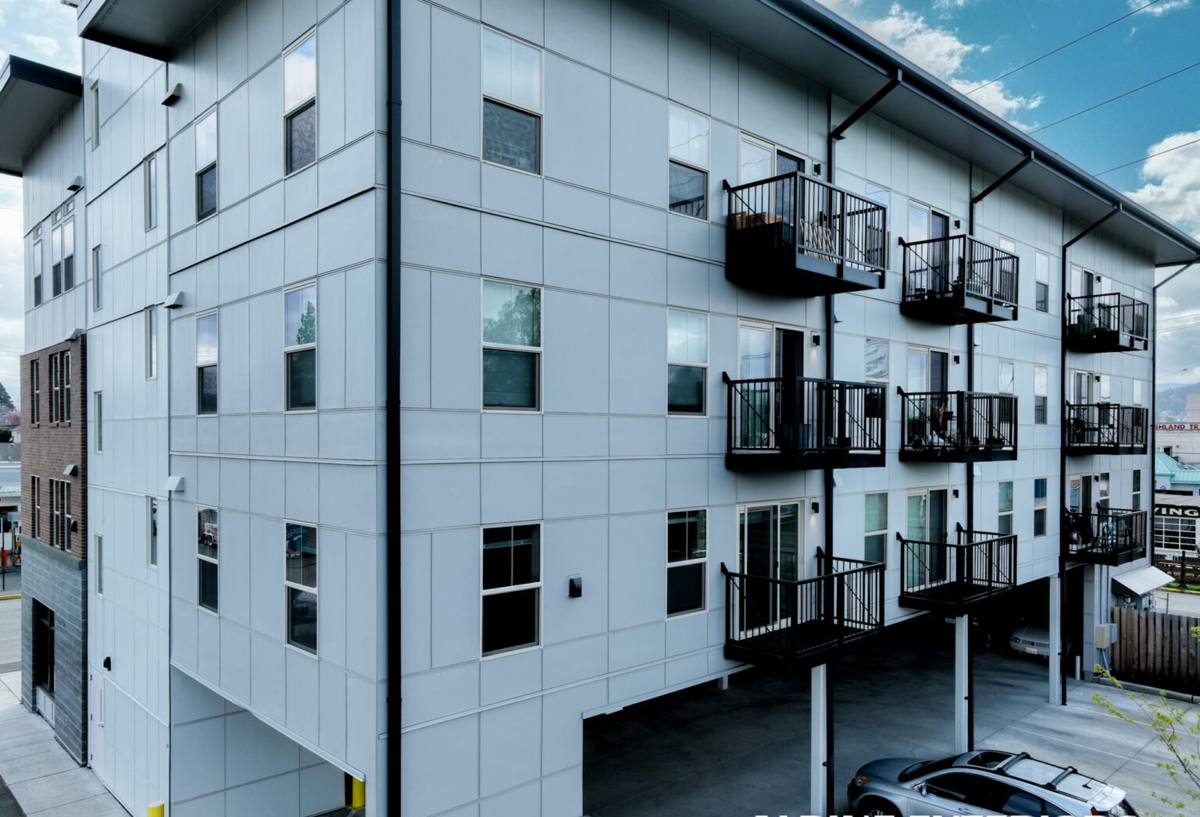
Warning Signs Your Siding Needs Repair
Most siding problems don't announce themselves. They show up as small, easy-to-dismiss details that quietly get worse over a few wet seasons. Homeowners in King County should watch for:
- Soft, spongy, or spongy-feeling spots when pressed by hand
- Bubbling, peeling, or blistering paint, especially on lower walls and near ground level
- Visible warping, cupping, or buckling boards or panels
- Dark streaking or green-black growth that keeps returning after cleaning
- Cracked, shrunken, or missing caulk at seams, corners, and window and door trim
- Gaps where siding has pulled away slightly from the wall
- A musty or damp smell near exterior walls, especially in closets or corners
- Siding that still feels damp to the touch after several dry days
Any one of these on its own might be minor. Several together, especially clustered in one area, usually means water has been getting behind the siding for a while.
What's Actually Causing the Damage
Wind-Driven and Driving Rain
Seattle doesn't get many torrential storms, but it gets a lot of rain pushed sideways by wind, particularly on west- and southwest-facing walls that catch weather coming off the Sound. Over time, that driving rain finds its way past failed caulk, loose trim, and aging fastener holes — areas that would stay dry in a calmer climate.
Moss, Algae, and Organic Growth
Shade, moisture, and mild temperatures are exactly what moss and algae need to thrive, and King County offers all three for most of the year. Growth on siding isn't just cosmetic — it holds moisture against the surface far longer than bare siding would otherwise stay wet, which accelerates rot in wood-based products and can degrade paint and caulk faster than expected.
Salt Air Near Puget Sound
Homes closer to the water deal with airborne salt that accelerates corrosion of fasteners, flashing, and metal trim. That corrosion often shows up as rust staining or loosened fastening well before the siding itself looks obviously damaged.
Deferred Maintenance
Caulk has a service life, and once it fails at a seam or trim joint, water intrusion often starts quietly and goes unnoticed for months. Clogged gutters that overflow onto siding below, and vegetation growing against exterior walls, are two of the most common — and most preventable — contributors we see.
Repair or Replace? How We Make the Call
Not every damaged section needs to come off the house. But patching over a problem that's really about trapped moisture or structural rot just delays a bigger repair later. Here's generally how the decision plays out:
| Factor | Repair Often Makes Sense | Replacement Is the Better Call |
|---|---|---|
| Extent of damage | Isolated to one or two boards or panels | Spread across a wall or multiple elevations |
| Moisture depth | Surface-level, caulk or paint failure only | Sheathing or framing shows signs of rot |
| Age of existing siding | Relatively young, otherwise sound material | Nearing or past its expected service life |
| Material match | A close, durable match is available | Original material is discontinued or a poor climate fit |
| Cost proportionality | Repair cost is well below replacement cost | Repair cost starts approaching full replacement |
We walk homeowners through this reasoning honestly. If a targeted repair will genuinely hold up in this climate, that's what we recommend — there's no benefit to us or the homeowner in pushing a bigger job than the house actually needs.
What a Correct Siding Repair Actually Involves
A repair that's done properly looks very different from a quick cosmetic patch. The steps that matter most:
- Moisture testing — checking not just the visible damage but the surrounding area, since water rarely stays exactly where it entered.
- Looking behind the siding — confirming the water-resistive barrier and flashing underneath are intact before anything new goes back on. Covering up damaged flashing with new siding just resets the clock on the same failure.
- Matching materials correctly — using a replacement product that behaves the same way as what's around it, so the repaired section doesn't expand, contract, or age differently than the rest of the wall.
- Fastening and sealing to spec — proper nailing patterns and manufacturer-approved sealants at every seam and trim joint, not just wherever looks tidy.
- Finish matching — making sure paint or factory finish blends with the surrounding siding rather than leaving an obvious patch.
Why We Repair and Rebuild With James Hardie Fiber Cement
When a repair calls for new material — whether it's a few boards or a full section of wall — we use James Hardie fiber cement, and only James Hardie. That's a deliberate standard, not a default.
Wood-based siding products, including engineered wood and OSB-backed panels, depend heavily on an unbroken paint film and perfect installation to stay dry; once moisture gets past that layer in a climate as wet as King County's, swelling and rot can spread quickly. Vinyl siding moves a fair amount with temperature swings and can crack or warp at the edges over time, which makes clean, invisible patch repairs harder to achieve. Both can be reasonable products in the right circumstances — but for a region with Seattle's rain load and moss pressure, we've standardized on fiber cement because it holds up to sustained moisture exposure without the same swelling and rot risk, and it doesn't rely on paint film integrity the way wood products do.
James Hardie's ColorPlus finish is baked on at the factory rather than field-painted, which matters specifically for repairs — a new board finished this way holds its color and resists fading at closer to the same rate as the surrounding siding, so patched areas blend in rather than standing out a year or two later. The HZ5 product line is also engineered for wet, humid climates like ours, and it's non-combustible, which is a genuine plus regardless of climate. When we can't do a repair with material that will perform this well, we say so — and that's when we start talking about a fuller replacement instead of stretching a patch further than it should go.
Our Seattle Repair Process
- Inspection and diagnosis — we assess the full wall or elevation, not just the spot you noticed, since related damage often extends beyond the visible symptom.
- Written scope and estimate — a clear explanation of what we found, what we recommend, and why, before any work starts.
- The repair itself — removing damaged material, verifying the barrier and flashing underneath, installing matched James Hardie material where replacement is needed, and sealing and fastening to spec.
- Finish check — confirming color and texture match and that the repaired area sheds water the way it's supposed to.
- Cleanup — the site is left the way we found it, minus the problem.
Why Local Experience in King County Matters
A crew that already works across Seattle and King County has seen how differently siding ages depending on where a house sits — closer to Puget Sound versus further inland, heavily shaded lots versus open ones, older homes with original wood siding versus newer construction. That experience shapes how we diagnose damage and where we look for problems that aren't obvious yet. It also means familiarity with local permitting expectations and the kind of siding commonly found on homes throughout the area, which speeds up an accurate quote and avoids surprises mid-job.
Keeping Repaired Siding in Good Shape
A good repair should last, but a little upkeep goes a long way in this climate:
- Do a visual walk-around once or twice a year, especially after the wettest months
- Keep gutters clear so overflow doesn't run down onto siding below
- Trim back vegetation and tree limbs that touch or shade exterior walls
- Address cracked or missing caulk as soon as you spot it, before it becomes an entry point
- Clean moss and algae buildup gently rather than blasting it with a pressure washer, which can force water behind seams
If you're seeing warning signs on your siding, or you just want an honest read on whether repair or replacement makes more sense for your home, we're happy to take a look. Fill out the form below for a free, no-pressure estimate.