 King County
 West Seattle's Siding Problem Isn't Like Everywhere Else in King County
West Seattle sits closer to Puget Sound than most of the rest of King County, and that changes what siding has to survive. Homes here deal with a near-constant marine layer, salt-laden air drifting off the water, wind-driven rain that hits walls sideways instead of straight down, and a moss and algae season that can run most of the year on shaded north- and west-facing walls. Siding that would hold up fine in a drier inland neighborhood can fail years early out here if it wasn't built for this exposure or wasn't installed correctly for it.
That combination — salt, moisture, and biological growth — is hard on paint, hard on seams, and unforgiving of installation shortcuts. It's also exactly the set of conditions James Hardie fiber cement siding was engineered to handle, which is why it's the only product we install on West Seattle homes.
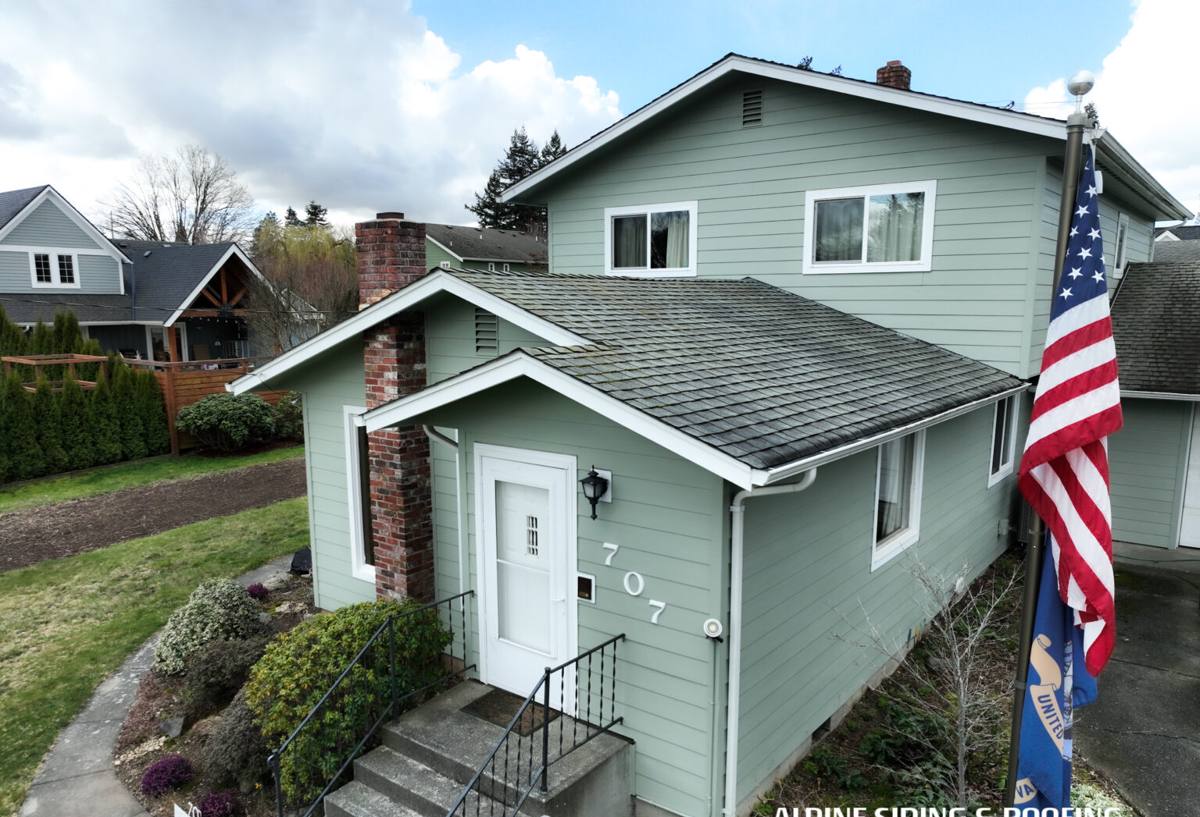
What Salt Air and Driving Rain Actually Do to Siding
Salt air
Airborne salt accelerates the breakdown of fasteners, caulking, and factory paint finishes. On products with weaker factory coatings, salt exposure shows up as chalking, fading, and premature caulk failure at joints — the exact spots where water intrusion starts.
Driving rain
Wind off the Sound doesn't just fall on a wall, it drives into it. That puts real pressure on every seam, corner, and butt joint. Siding with poor moisture resistance can wick water into the material itself, and even moisture-resistant products fail if the flashing, clearances, and caulking details behind them aren't right.
Moss and algae
Shaded, damp walls in West Seattle grow moss and algae readily, especially in narrow side yards and under mature tree cover common in this part of King County. Some siding materials are more porous or more paint-dependent, giving organic growth something to hold onto. A hard, factory-cured finish resists this far better than field-applied paint on a porous substrate.
Why James Hardie Fiber Cement Is the Only Product We Install Here
We don't install LP SmartSide, vinyl, Cemplank, Allura, or primed wood species like spruce or cedar — not because those products can't be installed anywhere, but because we've made a professional decision about what belongs on homes in this climate, and we'd rather stand behind one system we know cold than offer several we have reservations about.
- Non-combustible core: fiber cement doesn't feed a fire the way wood-based or engineered-wood siding can.
- ColorPlus factory finish: baked-on in a controlled environment, it holds color and resists the chalking and fading that salt air accelerates on field-painted products.
- Climate-engineered HZ product lines: Hardie's HZ5 formulation is built specifically for wetter, harsher climates like ours, rather than a one-size-fits-all product.
- Moisture behavior: fiber cement doesn't swell, rot, or delaminate the way engineered wood products can if water gets behind a panel.
- Warranty structure: a real, transferable manufacturer warranty backed by a company with decades in the fiber cement business.
We're not claiming the products we don't install are junk — some of them are reasonable choices in the right application. Our position is narrower: for the salt air, wind-driven rain, and moss exposure typical of West Seattle, we think fiber cement engineered for this climate, with a factory finish, is the more defensible long-term choice, and we'd rather install one product correctly than several products with caveats.
What "Correct" Fiber Cement Installation Actually Involves
Fiber cement siding is only as good as its installation. Most of the siding failures we get called out to inspect in King County trace back to installation shortcuts, not the material itself. On a West Seattle home, a few details matter more than usual:
Sheathing and moisture barrier condition
Before any new siding goes up, the sheathing underneath needs to be sound. Existing rot, soft spots, or a failed weather-resistive barrier get addressed before we close the wall back up — covering a moisture problem with new siding just hides it.
Clearances
Hardie specifies minimum clearances from grade, roof lines, decks, and other horizontal surfaces. In a wet climate, skipping these clearances is one of the most common ways siding starts wicking moisture at its bottom edge.
Fastening and joint treatment
Butt joints, corners, and penetrations (hose bibs, vents, light fixtures) are where wind-driven rain finds its way in. Correct flashing, sealant selection, and fastener placement at these points matter more on an exposed West Seattle wall than on a sheltered inland one.
Painted field cuts
Any cut edge exposes raw material that isn't factory-finished. Sealing and painting field cuts properly protects those edges from the same moisture and salt exposure the rest of the panel is built to resist.
Our Process on a West Seattle Home
- On-site assessment: we look at current siding condition, exposure direction, existing moss or algae patterns, and any signs of moisture damage at trim, corners, and penetrations.
- Tear-off and sheathing inspection: old siding comes off and we check what's underneath before anything new goes on.
- Moisture barrier and flashing repair: any weak points get corrected, not covered.
- Hardie installation to manufacturer spec: correct clearances, fastening pattern, and joint treatment for our climate zone.
- Finish work: caulking, field-cut sealing and painting, and trim detail so the whole system — not just the panels — is protected.
- Walkthrough: we go over what was done and what maintenance, if any, to expect going forward.
Cost Factors on a West Seattle Fiber Cement Job
Every home is different, but the same handful of factors drive most of the cost variation we see on siding jobs in this part of King County.
| Factor | Why it matters here |
|---|---|
| Sheathing/moisture damage found at tear-off | Older homes near the Sound often have hidden moisture damage from years of wind-driven rain exposure — repair scope isn't known until the old siding is off |
| Home size and wall complexity | Dormers, bump-outs, and multiple gable ends all add joints, corners, and cut edges |
| Siding profile and Hardie product line | Lap, shingle, and panel styles carry different material and labor costs |
| Access and site conditions | Narrow side yards, slopes, and mature landscaping common in West Seattle can slow staging and material handling |
| Trim and finish scope | Full trim replacement adds cost but improves the final moisture-management system |
Maintenance in a Marine Climate
Fiber cement with a factory finish is lower-maintenance than painted wood siding, but "low-maintenance" isn't "no-maintenance" this close to the water.
- Rinse siding periodically to clear salt residue and organic buildup, especially on shaded walls
- Keep gutters clear so overflow doesn't run down the wall face
- Trim back vegetation that keeps a wall section shaded and damp
- Recaulk joints if you notice cracking or gaps, rather than waiting for water intrusion to show up inside
- Have any impact damage or cracked panels repaired promptly — a small gap is an easy fix, a long-standing one isn't
Why a Crew That Already Works West Seattle Matters
Siding installation isn't identical from one microclimate to the next. A crew that already works this neighborhood has seen which walls take the worst of the wind-driven rain, which shaded corners grow moss fastest, and where salt exposure tends to hit trim and fasteners hardest. That's not something you get from a general install checklist — it comes from doing the work here, on King County homes, in this specific climate, repeatedly. It shows up in small decisions: where to add extra flashing attention, which clearances to double-check, which finish details to prioritize on a Sound-facing elevation.
Signs Your Current Siding May Be Struggling With This Climate
- Persistent moss or algae staining that returns quickly after cleaning
- Caulking that's cracked, shrunk, or pulled away from joints
- Paint that's chalking, fading unevenly, or peeling near the bottom edge
- Soft spots, warping, or visible swelling at panel edges or corners
- Water stains or musty smells on interior walls that share an exterior wall
- Visible gaps at trim, window, or door transitions
Any one of these on its own may be minor. Several together, especially on a wall facing the prevailing wind and rain, are worth a professional look before they turn into a sheathing repair.
If your West Seattle home's siding is showing wear from salt air, rain, or moss, we're happy to take a look and give you a straightforward, no-pressure estimate — no invented urgency, just an honest read on where things stand and what correct James Hardie installation would involve for your home.