 King County
 Ballard's Climate Puts Real Stress on Windows
Ballard sits close to saltwater, and that proximity to Puget Sound and the surrounding waterways matters more than most homeowners realize when it comes to window performance. Salt-laden air corrodes exposed metal hardware faster than it would a few miles inland, which is why hinges, locks, and cranks on older windows here often seize up or pit years before the glass itself fails. Add in wind-driven rain off the water during fall and winter storms, and you have moisture finding its way into any gap in the frame, flashing, or sealant that isn't doing its job.
Then there's the moss and algae. King County's long wet season keeps wood trim, sills, and cladding damp for months at a stretch, and anything shaded or north-facing can stay green well into what should be a dry stretch. That constant moisture load breaks down paint and caulk faster, and it's a major reason older wood windows in this neighborhood show rot at the sill and lower corners before anywhere else on the frame.
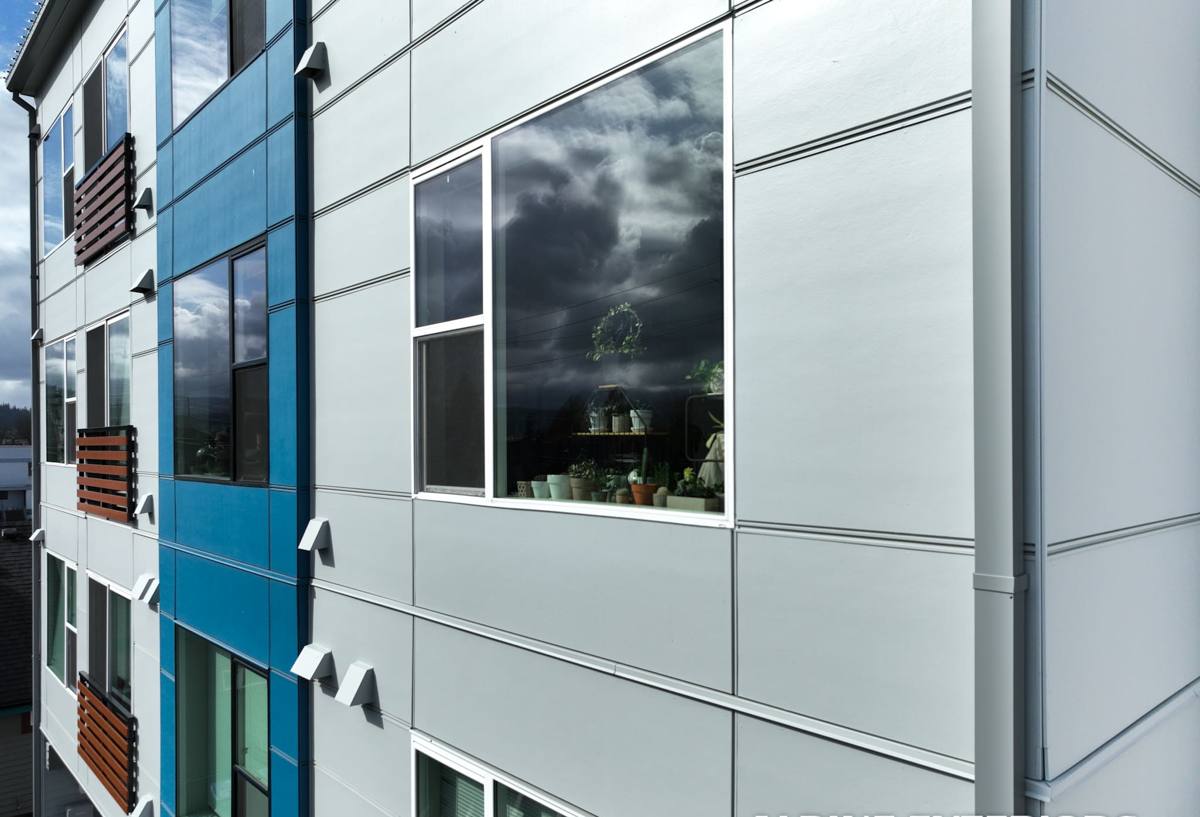
Signs a Ballard Home's Windows Are Falling Behind
Ballard has a lot of housing stock from the early-to-mid 1900s alongside newer infill construction, and each has its own failure pattern. Older single-pane wood windows tend to show their age through drafts, sashes that have been painted shut, and glazing putty that's cracked or missing. Newer double-pane units, even ones installed fairly recently, can fail through seal failure — fogging or a permanent haze between the panes that no amount of cleaning will fix.
A few other things worth checking before deciding whether you need repair or full replacement:
- Condensation building up on the inside of the glass regularly, especially in cooler months
- Visible daylight or a draft you can feel around the frame when it's windy
- Soft, discolored, or spongy wood at the sill or lower corners
- Windows that are difficult to open, close, or lock — often a sign the frame has shifted or swollen
- Paint that keeps failing in the same spot no matter how often it's touched up
- Visible moss, algae, or black staining on trim that stays damp for long stretches
What a Correct Window Installation Actually Involves
Flashing and Water Management
In a climate that gets sustained, wind-driven rain, the flashing detail around a window matters as much as the window itself. Water has to be directed out and away from the wall assembly, not just sealed off and hoped away. That means a sloped sill pan at the bottom of the opening, flashing tape or building paper integrated correctly with the house's water-resistive barrier in shingle fashion (upper layers overlapping lower ones), and a drainage path so any water that does get behind the cladding has somewhere to go besides the framing.
Insulation and Air Sealing
The gap between the window frame and the rough opening needs to be insulated and air-sealed without trapping moisture. Low-expansion foam or backer rod and sealant designed for window perimeters does this correctly; packing the gap solid with the wrong material, or caulking over a wet cavity, just sets up the next rot problem a few years down the line. This is the step that's easiest to rush and hardest to inspect once the trim goes back on, which is exactly why it deserves the most attention during installation.
Choosing Materials for a Marine Climate
There's no single "best" window material — the right choice depends on the home, the budget, and how much upkeep an owner wants to take on. In a neighborhood with salt air and a long wet season, here's how the common options generally compare:
| Material | Salt Air / Moisture Behavior | Maintenance | Typical Trade-off |
|---|---|---|---|
| Vinyl | Won't corrode or rot; hardware quality varies by manufacturer | Low — no painting, occasional cleaning | Frame can't be repainted; limited color options |
| Fiberglass | Very stable in wet/dry cycling, resists warping | Low to moderate | Higher upfront cost than vinyl |
| Wood-clad | Exterior clad protects wood from direct weather, but any breach in the clad exposes wood to rot | Higher — clad seams and interior wood need periodic checks | Traditional look many older Ballard homes call for |
| Aluminum | Prone to corrosion near saltwater unless properly coated; conducts cold | Moderate | Slim sightlines, but a poor thermal and corrosion fit for this location |
For homes closest to the water, we generally steer owners away from bare aluminum framing and untreated hardware because of how quickly salt exposure accelerates corrosion — it's a maintenance burden more than a defect, but it's one worth avoiding when there are better-suited options at a similar price point.
Our Installation Process
- On-site assessment: We check the existing framing, sill condition, and flashing before quoting anything, since older openings are often out of square and need extra prep.
- Measurement and ordering: Windows are ordered to the actual opening, not the nominal size, which avoids gaps that get papered over with excess caulk later.
- Removal and opening prep: We check for hidden rot or water damage once the old window is out — this is often the first real look anyone's had at that framing in decades.
- Flashing and sill pan installation: Water management goes in before the new window does, not after.
- Window setting and leveling: Shimmed, leveled, and fastened per manufacturer specs so the sash operates correctly for years, not just on day one.
- Insulation and air sealing: Perimeter gap sealed correctly, without overpacking.
- Interior and exterior trim: Finished to match the home, with attention to keeping new trim from becoming the next moss trap.
- Final walkthrough: Every window opens, closes, and locks properly before we call the job done.
Permits and Energy Code Considerations
Window replacement in Seattle and King County can require a permit depending on scope — particularly if the new opening changes size, alters a load-bearing wall, or affects egress requirements for a bedroom window. Washington's energy code also sets minimum performance standards (U-factor and, in some cases, solar heat gain) for replacement windows, which affects which products qualify. We handle the permitting question as part of the quote so there are no surprises mid-project, and we won't install anything that falls short of what code requires for a legal, insurable installation.
What Affects the Cost of a Window Installation
| Factor | Why It Matters |
|---|---|
| Number and size of windows | Larger openings and whole-house jobs have different labor and material needs than a single replacement |
| Frame material | Vinyl, fiberglass, and wood-clad carry different material costs |
| Condition of the existing opening | Rot repair or reframing adds labor beyond a straightforward swap |
| Full-frame vs. insert replacement | Full-frame replaces down to the studs; insert replacement reuses the existing frame where it's still sound |
| Access and site conditions | Upper-story windows, tight lot lines, or limited parking can affect labor time |
| Permit requirements | Egress or structural changes may add permitting time and fees |
We give straightforward, itemized estimates rather than a single vague number, so homeowners can see exactly what they're paying for and where they have options.
Why Hiring a Crew That Already Works Ballard Matters
Ballard's building stock isn't uniform, and a crew that works this neighborhood regularly has already seen the common quirks: older framing methods, additions built onto original structures at slightly different heights or angles, and openings that have shifted over decades of settling. That familiarity means fewer surprises once demolition starts and fewer change orders mid-project.
There's also a practical side to working in a dense, established neighborhood — narrow lots, limited street parking, and close-set homes all affect how a job gets staged and how much care goes into protecting a neighbor's property line during the work. A crew that's done this before plans for it up front instead of figuring it out on the fly.
Caring for New Windows Through Ballard's Wet Season
A correctly installed window still benefits from basic upkeep, especially given how long the wet season runs here. A few habits go a long way:
- Rinse hardware and tracks periodically if the home is close to saltwater to slow corrosion
- Keep weep holes and drainage paths clear of debris, leaves, and moss
- Check exterior caulk lines once a year, ideally before the fall rains start
- Wipe down interior sills if condensation appears, and address the underlying humidity if it's persistent
- Trim back vegetation that keeps trim or siding shaded and damp
If you're weighing repair versus replacement, or just want a straight answer on what your current windows actually need, we're glad to take a look. The form below gets you a free, no-pressure estimate — no obligation, just an honest read on where things stand.