 King County
 Window Replacement Built for Issaquah's Climate
Issaquah sits where the Puget Sound lowlands start climbing into the Cascade foothills, and that location matters more than most homeowners realize when it comes to windows. You get more annual rainfall than Seattle proper, longer stretches of saturated ground, and a moss and mildew season that can run eight or nine months out of the year. Add in the driving rain that comes sideways off storms funneling through the foothills, and you have a climate that is unusually hard on window seals, flashing, and frames. A window that's marginal in a drier part of King County can fail years earlier here.
This page covers what correct window replacement looks like specifically for Issaquah homes — not a generic overview, but the details that actually matter in this microclimate.
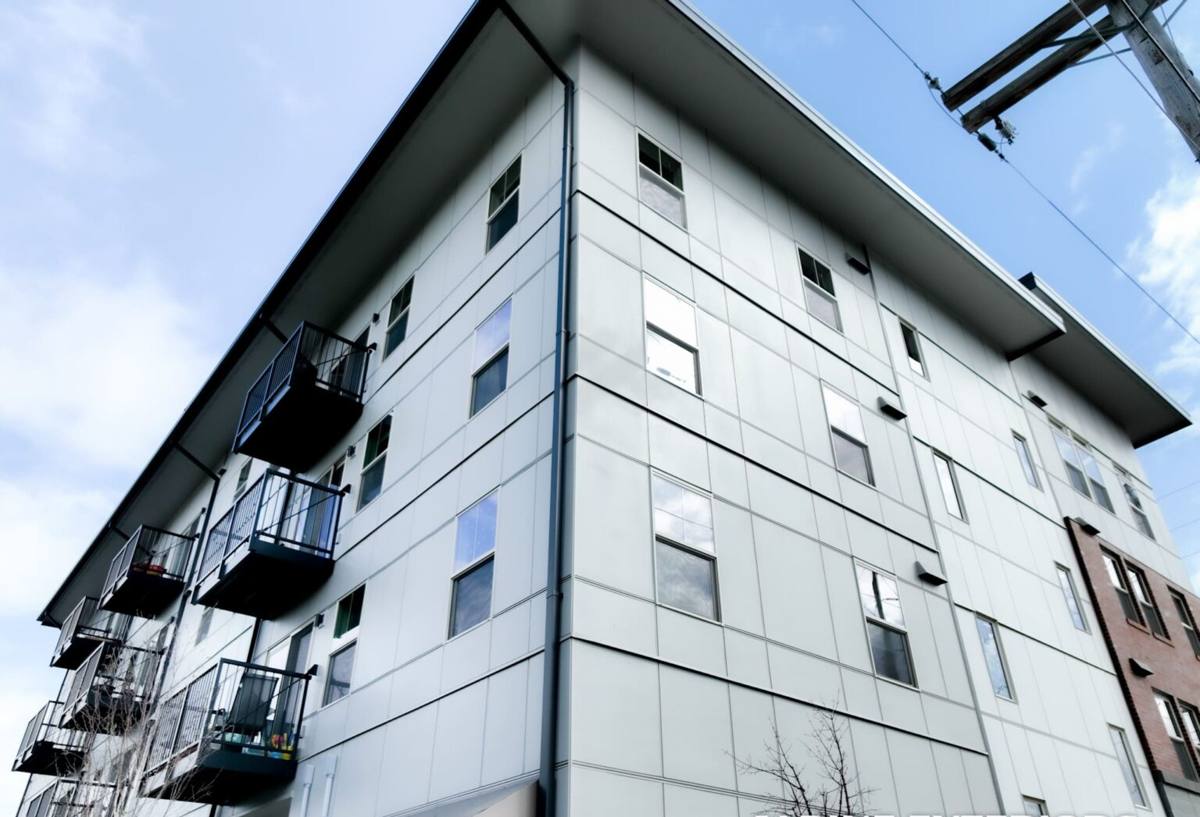
What Issaquah's Weather Does to Windows Over Time
Every window failure we see in this area traces back to one of a handful of causes, and almost all of them are moisture-driven.
Constant Moisture Load
Salt air moving up the Sound combines with near-constant fall and winter rain to keep wood trim, sills, and cladding damp for long stretches. Wood that never fully dries starts to rot from the inside, often before any exterior sign shows up. Vinyl and fiberglass frames don't rot, but poor installation still lets water track behind them into the wall cavity, where the damage is worse because you can't see it.
Driving, Wind-Driven Rain
Issaquah's position against the foothills means storms don't just drop rain straight down — wind pushes it sideways into wall assemblies, especially on west and south-facing elevations. A window that relies only on caulk at the exterior face, without proper flashing behind the trim, will eventually let water in during these events. It's not a question of if, just when.
Moss, Mildew, and Organic Growth
The long wet season here supports moss and mildew growth on horizontal surfaces — sills, exterior trim, and anywhere water sits instead of shedding. Beyond being unsightly, that organic growth holds moisture against the material longer, accelerating whatever rot or seal breakdown is already underway.
Thermal Cycling and Condensation
Cool, damp air outside against a warm, heated interior creates real potential for condensation on older or poorly performing glass. Over time, that moisture cycling stresses seals and can fog double-pane units from the inside — a sign the seal has failed and the unit needs replacing, not just resealing.
Signs Issaquah Homeowners Should Watch For
- Soft or spongy wood at the sill, jamb, or exterior trim when pressed
- Fogging or condensation trapped between panes of double-glazed units
- Visible gaps, cracked caulk, or paint failure around the window perimeter
- Drafts or noticeable temperature difference near the window in cold weather
- Difficulty opening, closing, or latching — frames swelling or warping
- Moss, black staining, or persistent damp patches on sills or nearby siding
- Rising energy bills without another clear explanation
Any one of these on its own isn't necessarily an emergency, but two or more together — especially soft wood plus staining — usually means moisture has already gotten past the exterior surface.
What a Correct Window Replacement Involves
Window replacement done right in this climate is as much about what happens around the window as the window unit itself. The unit is only as good as the installation.
Remove and Inspect
We remove the existing window and inspect the rough opening, sill, and surrounding framing for hidden rot or water damage before anything new goes in. In a climate like Issaquah's, skipping this step means there's a real chance you're sealing a moisture problem behind a brand-new window — which just hides it until it's worse.
Repair the Opening
Any soft or damaged framing gets cut out and replaced before the new window goes in. There's no shortcut here — installing over compromised wood just moves the failure date, it doesn't prevent it.
Flash It Properly
This is the step that separates a window that lasts from one that leaks. Correct flashing means sill pan flashing to direct any intruded water back out, and side and head flashing that integrates with the home's water-resistive barrier in the right shingle-lap order — each layer overlapping the one below so water is always directed outward and down, never trapped behind the cladding. Given how much wind-driven rain this area gets, this detail matters more here than in drier parts of the county.
Set, Shim, and Seal
The window gets set level and plumb, shimmed correctly so it isn't under stress that will affect operation over time, and sealed with appropriate materials at the interior and exterior — not just a bead of caulk expected to do all the work on its own.
Finish and Verify
Trim goes back on, the unit is tested for smooth operation, and we do a final check of the exterior seal line. A window installed correctly should need nothing more than normal cleaning for years.
Choosing Materials and Glass for This Climate
There's no single "best" window brand — the right choice depends on budget, the home's style, and how much upkeep you want to take on. What we can tell you honestly is how different frame materials behave in a wet, mossy, salt-air-influenced climate like Issaquah's.
| Frame Material | How It Handles This Climate | Maintenance |
|---|---|---|
| Vinyl | Doesn't rot or corrode; performs well in sustained moisture if installed with proper flashing | Low — occasional cleaning |
| Fiberglass | Very stable in temperature swings and moisture; holds paint well if you want a custom color | Low |
| Wood (clad or unclad) | Best appearance to many homeowners, but unclad wood exposed to this much rain needs vigilant upkeep | High if unclad; moderate if aluminum- or vinyl-clad |
| Aluminum | Durable but conducts cold and can condense more readily; less common in residential retrofits here | Low, but condensation-prone |
For glass, we generally recommend double-pane, low-E, argon-filled units for this area — the combination helps with both energy performance and reducing interior condensation risk during our damp winters. Triple-pane can make sense on north-facing rooms or homes with higher heating demands, but it's a cost-benefit conversation, not an automatic upgrade for everyone.
Cost Factors for Issaquah Homeowners
We won't quote a number without seeing the home, but here's what actually moves the price up or down on a typical Issaquah project.
| Factor | Why It Matters |
|---|---|
| Rot repair needed | Framing damage found during removal adds material and labor beyond the window itself |
| Frame material | Vinyl is typically the most budget-friendly; wood-clad and fiberglass cost more |
| Window size and type | Standard double-hung costs less than large picture windows or custom shapes |
| Number of windows | Whole-house replacements often bring a better per-unit price than one-off jobs |
| Story height / access | Second-story or hard-to-access windows take more time and equipment |
| Trim and siding tie-in | Matching existing trim or repairing adjacent siding adds scope |
The honest advice we give every Issaquah homeowner: don't choose a window based on price alone. A cheaper unit installed without proper flashing will cost more in the long run than a mid-range window installed correctly.
Our Process
- Free on-site assessment — we look at existing windows, framing condition, and your goals (energy performance, appearance, ease of use)
- Written estimate with clear scope — what's being replaced, what materials, and what happens if we find hidden damage
- Scheduling — we plan around King County's weather patterns to minimize the time your home is open to the elements during the swap
- Removal, inspection, and any needed framing repair
- Installation with full flashing and sealing detail
- Final walkthrough so you can see and test the finished work before we consider the job done
Why Local Experience in Issaquah Matters
A crew that primarily works drier climates, or that treats every job the same regardless of region, will often under-detail the flashing and sealing work that this area actually requires. We work throughout King County, and Issaquah's combination of higher rainfall, wind-driven storms off the foothills, and a long moss season means we approach these jobs with a specific eye toward moisture management — not just getting a new window in the opening. Knowing which elevations catch the worst of the driving rain, and which older homes in this area tend to have particular framing or trim details, comes from doing this work here repeatedly, not from a manual.
If you're noticing drafts, fogged glass, soft trim, or just want an honest opinion on whether your windows are due for replacement, we're happy to take a look. Reach out for a free, no-pressure estimate — we'll tell you straight what we see and what your real options are.