 King County
 New-Construction Windows vs. Replacement Windows: What's Different in Kent
New-construction windows are not the same product as the replacement or "insert" windows most homeowners think of when they picture a window project. A new-construction window has a nailing fin around the perimeter of the frame, which gets fastened directly to the wall sheathing before the house wrap and siding go on. That fin, combined with proper flashing, is what ties the window into the building's water management system from the very start. Replacement windows, by contrast, are built to fit inside an existing frame with the old exterior trim left in place — a very different job with a very different set of risks.
If you're building new in Kent, adding an addition, finishing out an ADU, or replacing windows down to the rough opening, you're in new-construction territory. That's a good thing — it means the window can be installed correctly the first time, with full access to the sheathing, the weather-resistive barrier, and the framing around each opening. Done right, it's the cleanest, most durable way to get windows into a house. Done poorly, it's also one of the more common sources of long-term water intrusion, because a mistake gets buried behind siding and trim before anyone notices.
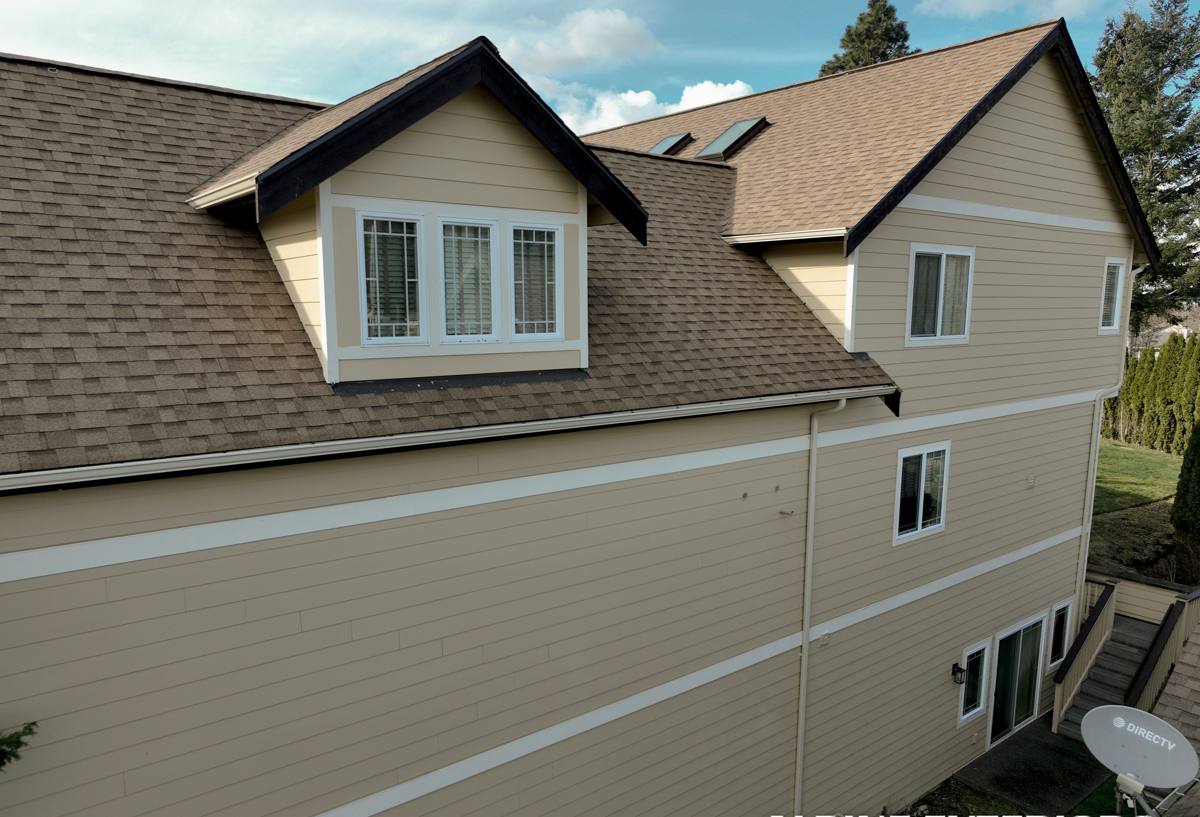
What King County's Climate Demands From a New Window Install
Kent sits in the same marine climate as the rest of King County, and that climate is not gentle on window openings. Driving rain that comes in sideways during winter storms puts direct pressure on flashing details that would never be tested in a drier region. A long moss season keeps roofs, siding, and trim damp for months at a stretch, which means any small gap in the water barrier around a window stays wet longer instead of drying out between storms. And even away from the water, the broader marine air across the county — carrying more moisture and salt than an inland climate would — works on caulk, sealants, and exposed fasteners year-round.
None of that is exotic or alarming — it's just the baseline this region's houses are built for. But it does mean a new-construction window install here has less room for shortcuts than the same job would in a dry climate. The flashing sequence, the sill pan, and the sealant details all have to assume the window will see sustained wet weather every year, not occasional rain.
Getting the Installation Right the First Time
A new-construction window is only as good as the opening it's installed into. The window unit itself rarely fails — what fails, almost always, is the water management detail around it. Getting that right is a sequence, not a single step, and skipping or reordering any part of it is how leaks end up hidden behind finished walls for years.
Flashing and the Sill Pan
Every rough opening should get a sloped sill pan before the window ever goes in, so that any water that does get past the window has somewhere to go — out, not into the wall cavity. Flashing tape or flexible flashing then wraps the jambs and head in the correct shingle-style order, so water is always directed down and out over the layer below it, never trapped behind it. This is the single most important step in the whole install, and it's also the step most likely to get rushed on a tight framing schedule.
The Nailing Fin and House Wrap Integration
Once the window is set, plumb, level, and square in the opening, the nailing fin gets fastened to the sheathing and the house wrap is lapped over the top and sides of the flashing — never tucked under it. That order matters: water has to be able to run down the face of the house wrap and off the flashing without ever getting behind it. Interior sealant and insulation around the frame then finish the job, sealing out air and moisture from the inside without trapping condensation in the wall cavity.
Choosing Frame Material and Glass for This Climate
Frame Materials
Vinyl, fiberglass, and wood-clad frames are all viable choices for a new build in Kent, and the right one depends on budget, the look of the house, and how much long-term maintenance you want to take on. Vinyl is the most budget-friendly and handles moisture well with no painting required. Fiberglass costs more but resists expansion and contraction across temperature swings better than vinyl, which can matter on larger window units. Wood-clad frames give a traditional interior look but need the exterior cladding and all trim joints kept well-sealed, since exposed wood in a wet climate is a maintenance commitment, not a set-it-and-forget-it choice.
Glass and Energy Performance
Washington's energy code sets minimum performance standards for new windows, and King County's climate makes it worth meeting or beating them rather than building to the bare minimum. Low-E coatings cut down on heat loss through the glass in winter and reduce solar heat gain in summer, and double- or triple-pane units with argon fill perform noticeably better than older single- or double-pane glass without a coating. For new construction, this is the cheapest point in the process to spec good glass — retrofitting for better performance later means touching finished walls and trim all over again.
| Frame Material | Upfront Cost | Maintenance | Best Fit |
|---|---|---|---|
| Vinyl | Lower | Minimal — no painting | Budget-conscious builds, most house styles |
| Fiberglass | Mid to higher | Low | Larger openings, wider temperature swings |
| Wood-clad | Higher | Moderate — exterior cladding must stay sealed | Traditional interior finish, homeowners who'll stay on top of upkeep |
Working Alongside Your Builder or General Contractor
New-construction window installs almost always happen inside someone else's schedule — a builder's framing timeline, a GC's trade sequence, or your own remodel plan. That means the window crew needs to show up at the right point in the build (after the weather-resistive barrier is on and rough openings are framed to spec, before siding starts) and needs to communicate clearly with whoever else is on site. Miscommunication at this stage is how you end up with openings framed to the wrong dimensions, house wrap installed in a way that fights the flashing plan, or a schedule gap that leaves framing exposed to weather longer than it should be.
We're used to working as a sub on someone else's job as well as running the window scope directly for a homeowner. Either way, the same water management standards apply — the schedule changes, the flashing sequence doesn't.
Our Process for New-Construction Window Installs in Kent
Whether we're brought in by a builder or hired directly, the process looks roughly the same:
- Review the plans and rough opening sizes before framing is finalized, to catch sizing issues while they're still easy to fix.
- Confirm window selection — frame material, glass package, and any egress or code requirements for the specific room.
- Coordinate timing with the builder or your project schedule so windows go in at the right point in the framing sequence.
- Install sill pans, flashing, and windows in the correct order, on every opening, without shortcuts.
- Integrate house wrap over the flashing correctly, then hand off cleanly to siding or trim work.
- Walk the finished openings with you (or the builder) before we call the job done.
What New-Construction Window Installation Costs
Cost depends on the number of openings, frame material, glass package, and how the job is being coordinated with other trades. As a rough guide:
| Cost Factor | Why It Moves the Price |
|---|---|
| Number and size of openings | More openings and larger units mean more material and labor hours |
| Frame material | Vinyl runs lower; fiberglass and wood-clad run higher |
| Glass package | Low-E coatings, triple-pane, and specialty glass (tempered, obscure) add cost per unit |
| Site coordination | Working as a sub on a builder's schedule vs. an independent job affects logistics and timing |
| Access and height | Upper-story or hard-to-reach openings take more time to flash and set correctly |
We don't quote a job over the phone with no details. A short site visit or plan review gives us the real numbers, and we'll walk you through what's driving the price before any work starts.
Why a Kent-Based Crew Matters
A crew that works this area regularly knows what King County's inspectors expect, how local framing crews typically build a rough opening, and what the wet season actually does to a job site schedule. That's not something you get from a crew passing through for a single project. Before you hire anyone for new-construction window work in Kent, it's worth checking a few basics:
- Are they licensed and insured to do this work in Washington State?
- Can they describe their flashing and sill pan process without vague answers?
- Do they have experience coordinating with builders and GCs, not just standalone replacement jobs?
- Will they put their installation workmanship in writing, separate from the window manufacturer's product warranty?
- Do they understand how King County's wet season affects sequencing and drying-in timelines?
Those answers separate a crew that treats window installation as a water management job from one that treats it as just setting glass in a hole.
If you're building or renovating in Kent and want to talk through window options, framing timing, or how we'd coordinate with your builder, we're happy to take a look and give you a straight, no-pressure estimate. Use the form below to get started.