 King County
 Roof Repair Built for Kirkland's Weather
Kirkland sits in one of the wetter, more humid corners of King County, tucked against Lake Washington with a long tree canopy and a climate that stays damp for most of the year. That combination is hard on roofs. Moisture-laden marine air common to the greater Puget Sound region, long stretches of driving rain, and a moss season that can run from early fall through late spring all chip away at roofing materials in ways that dry-climate homes never have to deal with. A roof that would go decades without a callback in Eastern Washington can develop real problems here in half that time if it isn't inspected and maintained on a local schedule.
Roof repair in Kirkland isn't a one-size-fits-all job. The right fix depends on the roof's age, pitch, material, sun exposure, and how much tree cover shades it during the day. This page focuses specifically on what roof repair looks like for Kirkland homes — the failure patterns we see most, what a correct repair actually involves, and how our process works from the first call to the final walk-through.
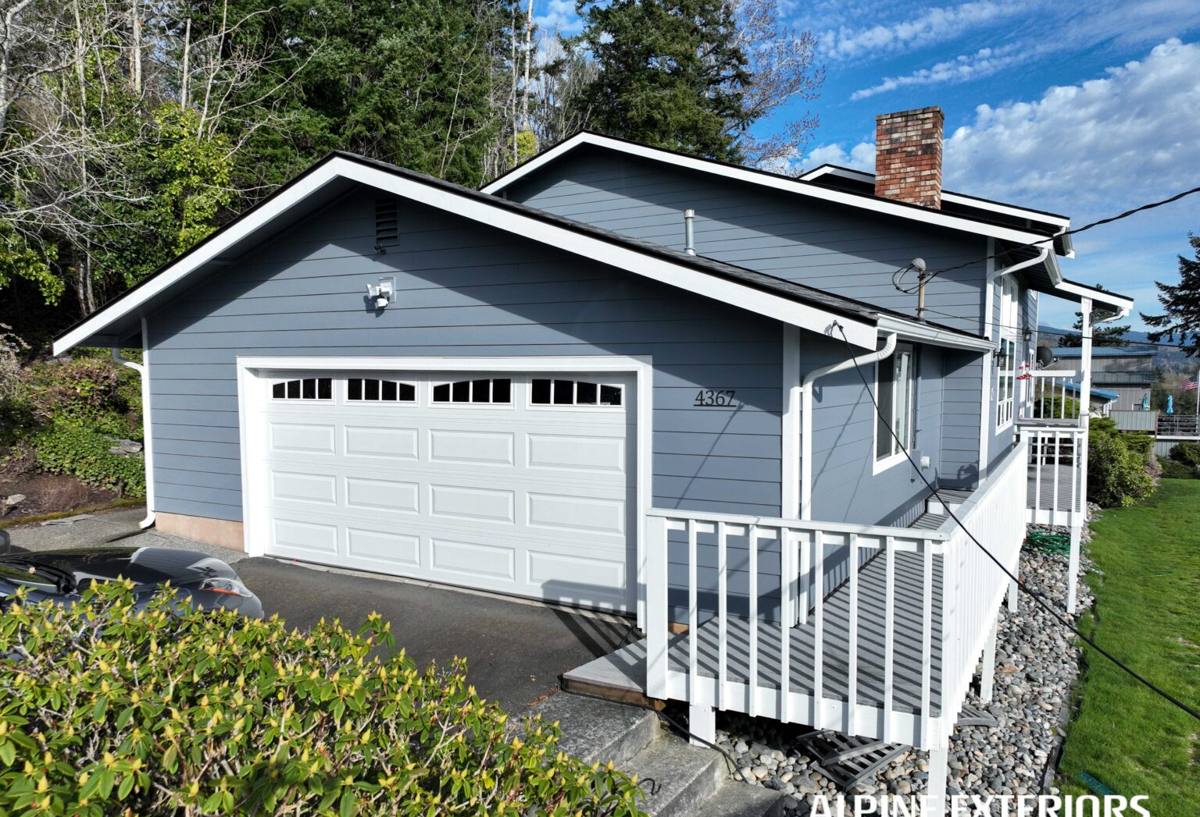
Why Kirkland Roofs Fail Differently
Most of the roof damage we find in Kirkland traces back to moisture that had somewhere to sit and nowhere to go. A few patterns show up again and again:
Moss and Algae Buildup
Shaded, north-facing slopes and roofs under mature trees stay damp long after the rain stops. Moss takes root in the granule layer of asphalt shingles, lifts the shingle edges as it grows, and holds water against the roof deck. Over time that trapped moisture works its way under the shingle and into the underlayment, which is where small moss problems turn into real leaks.
Wind-Driven Rain at Flashing and Valleys
Kirkland's storms tend to come in sideways off the water more often than straight down. That kind of driving rain finds every weak point in a roof's flashing — around chimneys, skylights, wall-to-roof transitions, and valleys — and pushes water uphill under materials that were only ever designed to shed water downhill. Flashing failures are one of the most common repair calls we get, and they're rarely visible from the ground.
Gutter and Debris Backups
Heavy tree cover means more leaf and needle debris landing on the roof and in the gutters. When gutters back up during a hard rain, water backs up under the roof edge instead of running off it, which rots fascia boards and starter courses long before the rest of the roof shows any wear.
Long-Term UV and Moisture Cycling
Even with fewer sunny days than drier regions, King County roofs still go through repeated wet-dry cycling. Shingles that stay damp for days and then dry out, over and over, age faster and become brittle sooner than the manufacturer's rated lifespan would suggest.
Signs Your Roof Needs Repair, Not Just a Look
Most roof problems in Kirkland don't announce themselves with a dramatic leak. They show up as small signals first. If you notice any of the following, it's worth having someone look before the next big storm:
- Dark streaking or green-black patches on shingles, especially on shaded slopes
- Moss growth thick enough to feel spongy underfoot on a walk-around inspection
- Granules collecting in gutters or at downspout outlets
- Curling, cracking, or lifted shingle edges, especially near valleys and roof edges
- Water stains on interior ceilings or in the attic, even faint ones
- Daylight visible through the roof deck from inside the attic
- Rusting, lifted, or separated flashing around chimneys, vents, or skylights
- Sagging sections along the roofline or in the gutters themselves
None of these automatically mean a full replacement. Most of them are exactly what roof repair is for — catching a localized problem and correcting it before it spreads.
What a Correct Roof Repair Actually Involves
A roof repair that holds up in this climate has to do more than patch the spot that's visibly leaking. Water rarely enters where it shows up inside the house — it travels along the underlayment or decking before finding a gap in the ceiling. A repair done right addresses the whole path, not just the symptom.
Diagnosis Before Patching
We trace leaks back to their actual entry point, which often means pulling back shingles well beyond the stained area, checking flashing laps, and inspecting the underlayment condition around the affected section. Patching over a symptom without finding the source just delays the next leak.
Matching Materials, Not Just Covering the Spot
Repairs should use shingles and flashing that match the existing roof's profile, weight, and color as closely as possible, and should be integrated into the existing layers correctly — new courses woven under and over the surrounding shingles the same way the original installation was done, not just caulked on top.
Flashing and Underlayment Detail
Because so many Kirkland leaks originate at flashing, a proper repair rebuilds the flashing detail correctly: new step flashing where needed, corrected laps, and fresh sealant only where sealant is actually appropriate — not as a substitute for proper flashing geometry.
Moss and Debris Removal Done the Right Way
Moss removal has to be done carefully. Aggressive scraping or pressure washing strips granules and shortens shingle life, which trades a moss problem for a wear problem. We remove moss using methods that don't damage the shingle surface, and we treat the roof afterward to slow regrowth rather than leaving it to come right back.
Ventilation Check
Roof repairs are also a good opportunity to check attic ventilation. Poor airflow traps moisture against the underside of the roof deck, which accelerates the exact wet-dry cycling that ages shingles early. If ventilation is part of the problem, we'll flag it, even if it's outside the scope of the original repair call.
Repair or Replace: How We Help You Decide
Not every roof problem in Kirkland calls for a full replacement, and we don't sell one when a repair will genuinely hold. The honest answer usually comes down to how localized the damage is and how much life is left in the rest of the roof.
| Factor | Repair Usually Makes Sense | Replacement Usually Makes Sense |
|---|---|---|
| Age of roof | Roof is under 15–20 years old | Roof is near or past its rated lifespan |
| Damage extent | Isolated to one section, valley, or flashing point | Widespread across multiple slopes |
| Granule loss | Minor, localized | Heavy and spread across most of the roof |
| Decking condition | Solid, no rot found during inspection | Soft spots or rot found in multiple areas |
| Repair history | First or second repair on this roof | Repeated repairs to the same or nearby areas |
We'll tell you plainly which category your roof falls into, and if a repair is the honest answer, that's what we'll recommend — even when a full replacement would be the bigger job.
What Drives the Cost of a Roof Repair
Every roof and every repair is different, so we don't quote a number until we've actually seen the roof. But the price of a repair in Kirkland generally moves based on a handful of factors:
| Cost Factor | Why It Matters |
|---|---|
| Roof pitch and access | Steep or high roofs take longer and need more safety setup |
| Material type | Composition shingle, cedar shake, tile, and flat/low-slope roofing all repair differently |
| Size of the affected area | Small flashing repairs cost far less than multi-section shingle work |
| Decking condition | Rotted decking found underneath adds material and labor to replace it |
| Moss or debris severity | Heavy buildup requires more careful, time-intensive removal |
| Matching materials | Older or discontinued shingle colors can be harder to match exactly |
Most straightforward Kirkland repairs land in a modest, predictable range; jobs that uncover rotted decking or extensive flashing failure cost more simply because there's more work involved once the roof is opened up. We'll always show you what we found before doing anything beyond the original scope.
Our Roof Repair Process
- Inspection: We walk the roof and the attic, not just look from the ground, and photograph anything relevant to the repair.
- Diagnosis: We trace the actual source of the leak or damage, which is often not where the symptom shows up inside.
- Written estimate: You get a clear scope and price before anything is touched, including what happens if we find additional damage once we open the area.
- Repair: Matched materials, proper flashing detail, and correct integration into the existing roof layers — not surface patching.
- Cleanup and debris removal: Old materials, moss, and granule debris are cleared from the roof and gutters, not left to wash downstream later.
- Final walk-through: We show you what was done and what to keep an eye on going forward.
Why It Matters That We Already Work in Kirkland
A repair crew that already works Kirkland roofs regularly knows what to expect before the ladder goes up. They know that a north-facing slope under tree cover is going to need a different moss strategy than a sun-exposed south slope on the same house. They know that wind-driven rain off the water tends to attack flashing before it attacks open shingle field, so that's where the inspection starts. That local pattern recognition is the difference between a repair that gets it right the first time and one that has you calling again after the next storm.
It also means a faster, more accurate estimate. Because we're not guessing at how King County's rain and moss cycle affects a given roof type, we can tell you early on whether you're looking at a small flashing fix or something that needs a closer look at the decking underneath.
Keeping a Repaired Roof from Needing Repair Again
Once a repair is done correctly, a little seasonal upkeep goes a long way toward keeping it that way in this climate:
- Clear gutters and downspouts at least twice a year, more often under heavy tree cover
- Trim back branches that overhang the roof to reduce shade, debris, and moss regrowth
- Have shaded, moss-prone slopes checked annually rather than waiting for visible growth
- Address small flashing or sealant issues promptly rather than waiting for a leak
- Keep attic ventilation clear and unblocked by insulation or stored items
If you're seeing moss, staining, or a slow leak on a Kirkland roof, we're happy to take a look and give you a straight answer about what it actually needs. Reach out for a free, no-pressure estimate using the form below.