 King County
 Building a Deck That Actually Holds Up on Queen Anne's Hill
Queen Anne sits high above the rest of Seattle, and that elevation is exactly why so many homes here have decks in the first place — the views of Elliott Bay, the Ship Canal, or downtown are worth building for. But that same hilltop position, so close to Puget Sound, means a deck here takes on weather that a deck twenty miles inland in King County simply doesn't deal with. Salt-laden air off the Sound, wind-driven rain that hits decks sideways instead of straight down, and a long, damp moss season that can stretch from October through May all work on wood, fasteners, and finishes in ways that shorten the life of a poorly built deck fast.
We build and repair decks throughout Queen Anne and the surrounding King County neighborhoods, and the decks that last aren't the ones with the fanciest railing or the most expensive boards — they're the ones built with this specific climate in mind from the framing up. This page walks through what that actually looks like.
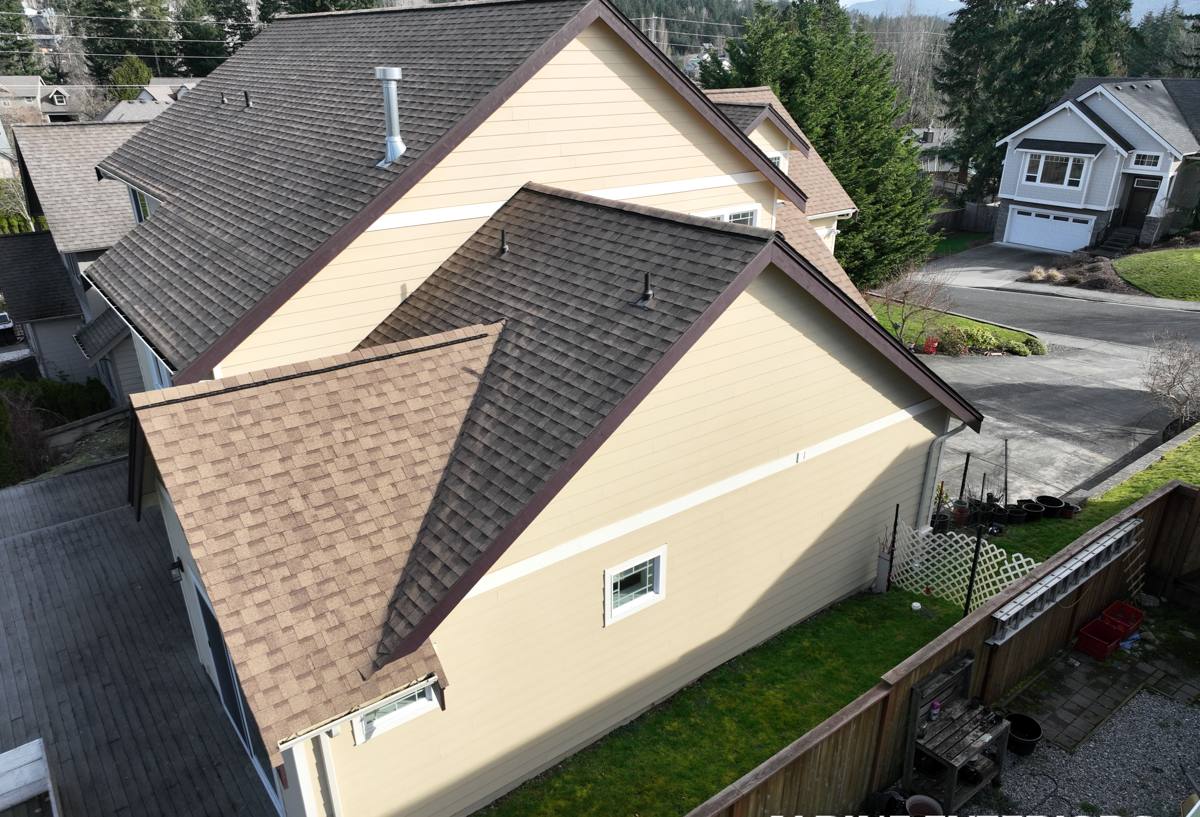
What Queen Anne's Climate Does to a Deck
Salt Air and Metal Fatigue
Homes closer to the water side of the hill get a steady dose of salt-carrying air. Salt accelerates corrosion on anything metal — fasteners, joist hangers, railing brackets, and screws. A deck built with the wrong hardware can start showing rust streaks and weakened connections years before the decking itself wears out. This is one of the most overlooked failure points on view-side decks, because the corrosion happens underneath, out of sight, while the surface still looks fine.
Driving Rain, Not Just Rainfall Totals
It's not just how much rain King County gets — it's the direction it comes from on an exposed hillside lot. Wind off the Sound pushes rain sideways and up under railings, ledger boards, and stair stringers. Flat horizontal surfaces that would shed water fine in a calmer setting can end up holding moisture against end grain and fastener heads if they weren't detailed for wind-driven exposure.
A Long Moss Season
Shaded decks, north-facing decks, and decks under mature trees hold onto moisture long after a storm passes. Moss and algae take hold on any surface that stays damp, and beyond being slippery underfoot, they trap water against the board surface and accelerate rot in wood decking and even some composite products if drainage and airflow underneath weren't planned for correctly.
Getting the Structure Right the First Time
Framing and Fasteners
Everything else on a deck depends on what's underneath it. For Queen Anne builds, that means hot-dip galvanized or stainless hardware at minimum on any deck with real exposure to salt air, properly flashed ledger boards where the deck ties into the house, and joist spacing sized for the actual decking material — composite and PVC boards typically need tighter joist spacing than solid wood to avoid flexing over time.
Drainage Underneath the Deck
On steep Queen Anne lots, decks are often elevated well above grade, which creates usable space underneath — but only if water is managed. We grade and, where needed, install under-deck drainage systems so that space stays dry and usable instead of turning into a perpetually damp crawl area that breeds moss and mildew against your foundation.
Ledger Attachment and Structural Connections
Where the deck attaches to the house is the single most common point of structural failure on older decks. It needs proper flashing to keep water from tracking into the house's rim joist, and lag bolts or through-bolts sized to code — not just nails. On many of Queen Anne's older homes, this connection was undersized or improperly flashed when the deck was originally built decades ago, and it's one of the first things we check on any repair or rebuild.
Choosing a Decking Material for This Climate
There's no single "best" decking material — the right choice depends on your budget, how much maintenance you're willing to do, and how exposed your deck is to sun, salt air, and shade. Here's how the common options actually perform in Queen Anne conditions:
| Material | Moisture & Moss Resistance | Maintenance | Typical Lifespan |
|---|---|---|---|
| Pressure-treated wood | Fair — needs sealing to resist moss and rot | Annual cleaning, re-staining every 2-3 years | 10-15 years |
| Cedar | Good natural rot resistance, but surface grays and hosts moss without upkeep | Regular cleaning, periodic oiling or sealing | 15-20 years |
| Composite decking | Very good — resists rot, but algae can still grow on the surface film | Occasional washing, no staining or sealing | 25-30 years |
| PVC/capped polymer | Excellent — fully moisture-resistant board core | Low — periodic rinsing | 25-30+ years |
We don't push one material on every job. A shaded, north-facing deck under trees is a poor candidate for real wood if you're not up for regular maintenance — the moss will win. A sun-exposed view deck on the west side of the hill can do very well with cedar if you're willing to maintain the finish. We'll walk your specific site conditions with you before recommending anything.
Design Considerations Specific to Hillside Lots
Many Queen Anne homes sit on steep grades, which changes how a deck needs to be engineered compared to a flat-lot build elsewhere in King County.
- Height and guardrail requirements: Elevated decks trigger stricter guardrail height and baluster spacing rules under Seattle building code — this isn't optional on a deck of any real height above grade.
- Footing depth on slopes: Footings on a hillside often need to go deeper or use a different foundation approach than a footing on level ground, especially where soil conditions vary across the lot.
- Stair design for grade changes: Getting from an elevated deck down to a sloped yard usually means longer stair runs, intermediate landings, and careful handrail planning — done wrong, this becomes both a safety issue and a maintenance headache since exposed stringers catch weather from more angles.
- Wind exposure on open hillside decks: A deck with a clear view is also a deck with less wind break. Railing design and fastener choice both need to account for that extra exposure.
Our Deck Building Process
We keep the process straightforward and make sure you know what's happening at each stage:
- On-site assessment: We look at your lot's grade, sun and shade exposure, proximity to the water, and the condition of any existing structure before recommending anything.
- Design and material selection: We talk through decking material, railing style, and layout based on how you'll actually use the space and how much upkeep you want long-term.
- Permitting: Most new decks and significant rebuilds in Seattle require a permit, particularly for elevated structures. We handle that process rather than leaving it on you.
- Framing and structural work: Proper footings, ledger attachment, and joist framing built with corrosion-resistant hardware suited to Queen Anne's exposure.
- Decking, railing, and finish work: Installation of your chosen decking material and railing system, with attention to drainage and airflow underneath.
- Final walkthrough: We go over the finished deck with you, including what maintenance it will need and on what schedule.
Cost Factors Homeowners Should Know Going In
Deck pricing varies a lot based on size, height, material, and site access, so we won't quote a number without seeing the lot. But these are the main factors that move the price up or down:
| Factor | Why It Matters |
|---|---|
| Height above grade | Taller decks need deeper footings, more structural bracing, and code-required guardrails |
| Decking material | Composite and PVC cost more upfront than wood but require far less long-term maintenance spending |
| Site access | Steep or narrow Queen Anne lots can make material delivery and equipment access more labor-intensive |
| Structural complexity | Multi-level decks, built-in stairs, or attaching to an older home's framing add engineering and labor time |
| Railing style | Cable, glass, and custom railing systems cost more than standard baluster railing |
Keeping a Queen Anne Deck Healthy Year to Year
Good construction gets a deck most of the way there, but a little regular maintenance keeps it performing for its full lifespan in this climate:
- Sweep debris off the deck regularly, especially in fall, so leaves and needles don't hold moisture against the boards
- Clean moss and algae off the surface at the start of the wet season before it gets established, rather than after it's built up
- Check railing posts and stair connections annually for looseness — moisture and freeze-thaw cycles can work fasteners loose over time
- Keep gutters and downspouts near the deck clear so runoff isn't dumping extra water onto or under the structure
- Re-seal or re-stain wood decking on schedule rather than waiting until it's visibly gray or cracking
- Inspect the ledger board connection to the house periodically for signs of water staining or soft wood
Why Local Experience on Queen Anne Specifically Matters
A deck built to a generic spec sheet, without accounting for hillside grading, salt air exposure, and a long moss season, will need repair years earlier than one built for this specific setting. We work on decks throughout Queen Anne and the rest of King County regularly enough to know which fastener grades hold up near the water, how local building code applies to elevated hillside structures, and which materials actually perform under the conditions your particular lot sees — not just what a spec sheet promises in ideal weather.
That local familiarity also means fewer surprises during the permitting process, since we already understand what Seattle's code requires for guardrails, footings, and stair design on sloped lots. It's the difference between a deck that needs attention again in eight years and one that's still solid in twenty-five.
If you're planning a new deck, replacing an aging one, or just want an honest read on how much life is left in what you've got, we're happy to come take a look. The estimate is free, there's no pressure to book anything on the spot, and you'll get a straight answer about what your deck actually needs — just fill out the form below to get started.