 King County
 Building a Deck That's Actually Built for Seattle
A deck in Seattle doesn't fail the same way a deck in a dry climate fails. It doesn't usually get destroyed by one big storm — it gets worn down slowly, season after season, by moisture that never fully goes away. Wood that stays damp for weeks at a time, hardware that sees salt-tinged air off Puget Sound, and shaded boards that grow moss faster than they dry out. None of that is exotic. It's just what King County weather does to an outdoor structure, and it's entirely manageable if the deck is built correctly the first time.
This page is about one thing: building or replacing a deck for a Seattle home, done by a crew that already works in this climate. Not a generic national how-to, and not a sales pitch for a specific product line — just what actually holds up here, what a correct build involves, and what to watch for whether you're planning new construction or replacing something that's starting to show its age.
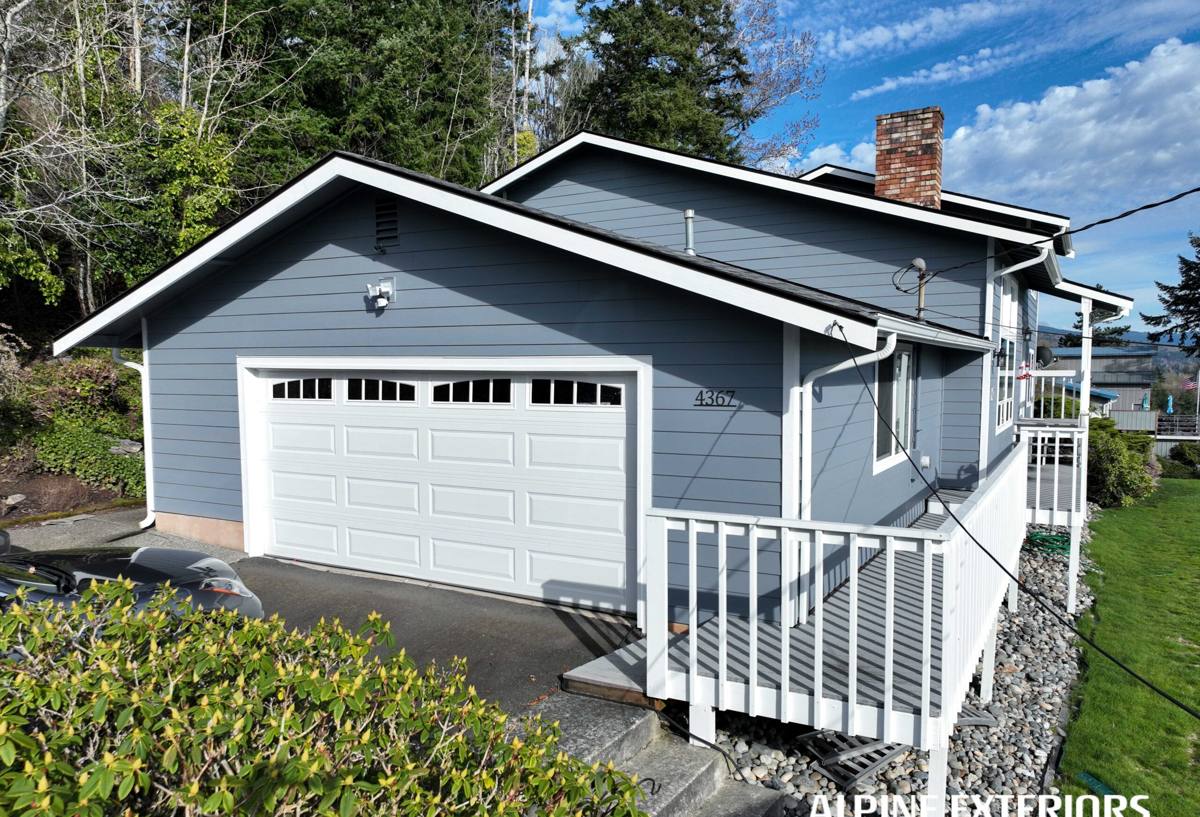
What King County's Climate Does to a Deck Over Time
Rain That Doesn't Let Up
Seattle doesn't get the heaviest single-day rainfall totals in the country, but it gets a lot of days with some rain, spread across most of the year. For a deck, that steady dampness matters more than the total inches. Wood that gets a few hours of sun and dries out between rains ages very differently than wood that stays wet for days at a time in shaded corners, under overhangs, or against a house wall. Framing lumber, ledger boards, and any wood-to-wood contact points are where that slow moisture exposure does the most damage.
Salt Air and Metal Fatigue
Homes closer to the Sound deal with airborne salt that accelerates corrosion on fasteners, brackets, and railing hardware. It's a slower process than what you'd see right on the coast, but over years it's enough to weaken screws, joist hangers, and post bases that weren't rated for it. A deck that looks fine on the surface can have compromised hardware underneath if the wrong fastener class was used to save a few dollars during construction.
Moss, Algae, and Shade
Long stretches of overcast, damp weather are exactly what moss and algae need to establish themselves on horizontal wood surfaces. Beyond the cosmetic issue, moss holds moisture against the board surface, which speeds up rot and makes the deck surface slick and genuinely dangerous underfoot, especially on stairs. Decks under mature trees or on the north side of a house are the most exposed to this and need decking choices and gap spacing that account for it.
Choosing the Right Decking Material for This Climate
There isn't one universally "correct" decking material — there's a correct choice for a given budget, sun exposure, and how much upkeep the homeowner actually wants to do. Here's how the common options compare specifically against King County conditions:
| Material | Upfront Cost | Maintenance | How It Handles PNW Moisture |
|---|---|---|---|
| Pressure-treated lumber | Lowest | Needs re-sealing every 1–2 years | Fine if sealed and gapped correctly; neglected boards trap moisture and cup |
| Cedar | Mid-range | Periodic cleaning and refinishing | Naturally rot- and insect-resistant, but still needs upkeep to prevent graying and moss growth |
| Composite decking | Higher | Occasional washing, no sealing or staining | Doesn't absorb water like wood; still needs proper spacing and airflow to avoid mold on the surface |
| Tropical hardwoods | Highest | Low, but specific oils needed to prevent graying | Very dense and rot-resistant, but requires precise fastening due to hardness and movement |
We'll walk through this with you honestly based on your budget and how the space will be used — a low-maintenance composite deck for a shaded backyard is a different conversation than a sunny cedar deck off a kitchen. What we won't do is push a product because it's easier for us to install; the right material depends on your site conditions, not ours.
What a Correctly Built Deck Actually Involves
Ledger Board Attachment and Flashing
If a deck attaches to the house, the ledger board connection is the single most important detail on the whole structure — and it's the one most often done wrong on older or budget builds. Proper flashing keeps water from working its way behind the ledger and into the house rim joist, which is how a deck problem quietly becomes a house problem. In a climate that stays wet as long as ours does, a missing or improperly lapped flashing detail isn't a minor shortcut — it's the difference between a deck that lasts decades and one that causes hidden rot within a few years.
Fasteners and Hardware Rated for the Environment
Given the salt air and moisture exposure discussed above, we use fasteners and structural hardware rated for wet, corrosive conditions — not general-purpose hardware store screws. This applies to joist hangers, post bases, structural screws, and railing brackets alike. It costs a little more upfront and makes essentially no difference to how the deck looks, but it's the difference between hardware that's still solid at year fifteen and hardware that's rusting and weakening by year five.
Footings Set for Local Soil and Code
Footing depth and sizing need to match both the structural load of the deck and the requirements of the local jurisdiction, which can vary by city within King County. We don't guess on this — footings are sized and placed to meet the applicable code for your specific property, not a one-size-fits-all default.
Drainage and Airflow Underneath the Deck
A deck that's structurally sound above the surface can still have problems below it if water has nowhere to go. Grading beneath a low deck, gaps between boards sized for proper drainage, and keeping structural framing clear of standing water are all part of a correct build in a climate that stays damp for much of the year. For decks built low to the ground, we pay particular attention to airflow underneath — trapped, stagnant moisture under a deck is one of the more common causes of hidden rot that homeowners don't discover until a board finally gives way.
Permits and Local Code
Most new decks and many deck replacements in King County require a building permit, and the specifics — setback requirements, height triggers for guardrails, footing standards — depend on the jurisdiction your property falls under. We handle the permitting conversation as part of the project rather than leaving it for the homeowner to sort out, and we build to the code that actually applies to your address rather than a generic standard.
Our Process, Start to Finish
- On-site assessment. We look at sun exposure, drainage, existing structure (if it's a replacement), and how you actually plan to use the space.
- Honest material and design conversation. We walk through the trade-offs in the table above based on your budget and maintenance appetite — no upselling toward whatever's easiest for us.
- Written estimate. Clear scope, materials, and cost before anything is signed.
- Permitting. We handle the paperwork with the applicable local jurisdiction.
- Construction. Proper ledger flashing, corrosion-rated hardware, correctly sized footings, and drainage-conscious framing — the details covered above, done as standard practice, not as an upgrade.
- Final walkthrough. We go over the finished deck with you, including basic care specific to the material you chose.
Seasonal Maintenance Checklist for a Seattle Deck
Even a well-built deck needs some basic seasonal attention in this climate. This isn't an exhaustive list, but it covers the items that matter most here:
- Clear leaves and debris from between boards before fall rains set in — trapped organic matter holds moisture and feeds moss growth
- Check and clear any drainage gaps or under-deck areas of standing water after heavy rain
- Inspect ledger board flashing yearly for gaps or deterioration where the deck meets the house
- Look for early moss or algae growth on shaded boards and stairs and clean it before it becomes a slip hazard
- Check visible fasteners and railing hardware periodically for rust or looseness, especially on decks closer to the water
- Re-seal or re-stain wood decking on the schedule appropriate to the product — don't wait until it's visibly gray and dry
Why a Crew That Already Works Seattle Matters
None of what's above is complicated in theory, but it only gets done consistently by a crew that builds decks in this specific climate regularly. A contractor used to dry-climate construction may not default to corrosion-rated hardware, may not think twice about a marginal flashing detail, or may not size drainage gaps with moss and standing water in mind — not out of carelessness, but because it isn't the environment they normally build in. Working King County and Seattle specifically means these details are just how we build, not an add-on we have to remember.
If you're planning a new deck or looking at replacing one that's showing its age, we're happy to come take a look and put together a free, no-pressure estimate — just fill out the form below.