 King County
 Storm Damage Roof Repair for Mercer Island Homes
Mercer Island sits in a pocket of King County that takes weather differently than the rest of the region. The island is surrounded by Lake Washington, wrapped in mature tree canopy, and exposed to whatever wind and rain rolls off the water during a fall or winter storm. When a roof takes damage here, it's rarely a single obvious problem. It's usually a combination of things: wind-lifted shingles, a few branches down, some flashing that pulled loose, and moisture finding its way into places it shouldn't be. Getting the repair right means understanding how those pieces interact, not just patching the part that's visible from the ground.
This page covers what storm damage repair actually involves on Mercer Island specifically, what our process looks like, and what to check for before you decide a roof is fine.
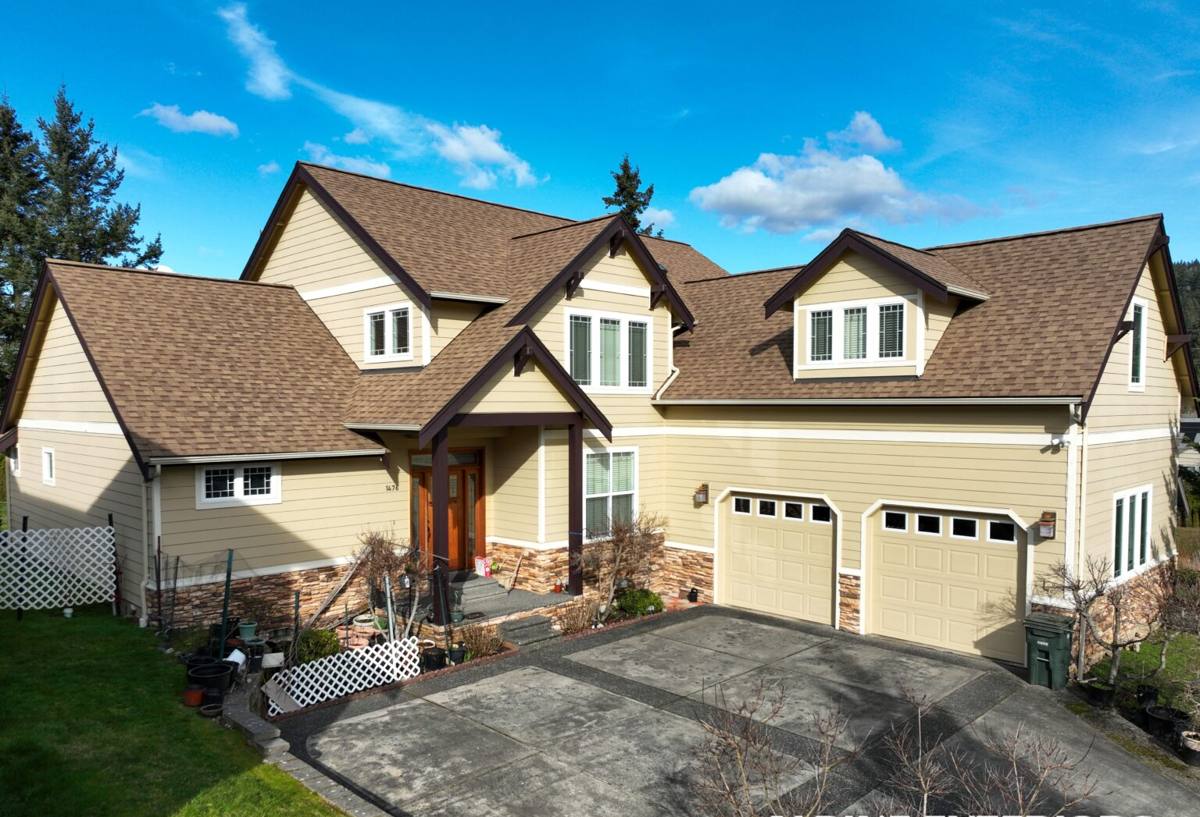
Why Mercer Island's Climate Is Hard on Roofs
Lake-Effect Moisture and Heavy Tree Cover
Mercer Island's roofs deal with a version of the broader Puget Sound marine climate that's intensified by the island's geography. Lake Washington keeps humidity elevated year-round, and the dense tree cover that gives the island its character also means roofs stay shaded and slow to dry after a storm. Wet roofing material that doesn't get a chance to dry out is exactly the condition that lets minor storm damage turn into a bigger moisture problem underneath the surface.
A Long Moss Season
Between the shade, the humidity, and King County's mild wet winters, moss has a long growing window here. Moss holds moisture against the roofing material and works its way under shingle edges and around flashing over time. A roof that's already carrying moss growth going into a storm has less margin for error — the moss traps rainwater exactly where wind has already loosened or lifted material.
Driving Rain and Wind Events
Storms that move through the Puget Sound region often bring sideways, wind-driven rain rather than straight-down rainfall. That matters for repair work because wind-driven rain finds its way under shingles, around vent boots, and behind flashing that would keep out a normal rain. A repair that only addresses the surface damage and ignores how water moves during a wind event won't hold up through the next storm.
Common Types of Storm Damage We See
Wind-Lifted or Missing Shingles
Sustained wind or strong gusts can lift shingle edges, break the sealant bond, or tear shingles off entirely. Sometimes the damage is obvious — bare patches or shingles in the yard. Often it isn't. A shingle that's been lifted and reseated by the wind can look fine from the ground while its seal is permanently broken.
Tree Limb and Debris Impact
Given how much tree canopy surrounds most Mercer Island properties, falling limbs and wind-blown debris are one of the most common causes of storm damage locally. Impact damage can range from a few cracked or punctured shingles to bent flashing, damaged gutters, or in more serious cases, structural damage to decking underneath.
Flashing and Seal Failures
Flashing around chimneys, vents, skylights, and roof valleys is designed to flex slightly but stay sealed. Wind can work flashing loose at the edges, and the resulting gap is often too small to see without a close inspection but plenty large enough to let water in during the next rain.
Water Intrusion and Hidden Moisture
This is the damage that costs homeowners the most if it's missed. Water that gets past a compromised seal or flashing joint can travel along the decking before it ever shows up as a ceiling stain. On a shaded, humid island lot, that hidden moisture doesn't dry out on its own — it sits, and it spreads.
What a Correct Storm Damage Repair Involves
A Full Inspection, Not Just a Look at the Damage You Called About
If a homeowner calls about a specific spot — a leak in one room, a visible tear — a correct inspection still covers the whole roof, not just that area. Storms rarely damage just one section, and a follow-up storm finding a second, unaddressed weak spot is a common and avoidable outcome.
Emergency Protection First, When Needed
If a roof has active exposure — a hole, missing shingles over a vulnerable area, or damaged flashing before more rain is expected — the first step is stabilizing it, typically with tarping or temporary sealing, before scheduling the permanent repair. This isn't upselling; it's the difference between a contained repair and a much larger one after a second storm hits an already-compromised roof.
Matching the Repair to the Actual Damage
Not every storm-damaged roof needs full replacement, and not every roof can be safely patched. The right call depends on the roof's age, how much of the roofing system is affected, and whether the underlying decking took on moisture. We'll tell you honestly which category your roof falls into rather than defaulting to the most expensive option.
Repair vs. Replacement: Key Factors
| Factor | Favors Repair | Favors Replacement |
|---|---|---|
| Roof age | Under 12-15 years, otherwise sound | Near or past expected lifespan |
| Extent of damage | Isolated to one section or a few areas | Widespread across multiple roof planes |
| Decking condition | Dry, structurally sound underneath | Soft, stained, or water-saturated decking |
| Moss/moisture history | Minimal prior moss or trapped moisture | Long-term moss growth or repeated past leaks |
| Material availability | Matching shingles or materials still available | Discontinued material, visible patch mismatch |
None of these factors decide anything on their own — they're read together. A younger roof with saturated decking in one spot may still only need a targeted repair; an older roof with isolated but repeated damage may be a better candidate for replacement sooner rather than later. We walk you through which factors apply to your specific roof before recommending either path.
Our Process for Storm Damage Repairs
- Inspection and documentation. We assess the full roof, not just the reported damage, and document what we find with photos.
- Temporary protection if needed. If there's active exposure, we stabilize the roof before the permanent repair is scheduled.
- Honest scope and options. We explain what's damaged, what caused it, and whether repair or replacement makes sense — with reasoning, not just a number.
- Repair work. We match materials as closely as possible and repair the full extent of the damage, including flashing and decking if it was compromised, not just the top layer.
- Final walkthrough. We go over the completed work with you before we consider the job done.
Working With Insurance on Storm Damage Claims
Many storm damage repairs on Mercer Island go through homeowners insurance, particularly when the damage involves a fallen limb or a documented wind event. We can provide the documentation and inspection detail your adjuster will need, but we work for you, not the insurance company — our job is to give you an honest scope of the damage, whether or not that scope matches what an initial claim estimate assumed.
Signs You Should Have Your Roof Inspected After a Storm
- Shingles visible in the yard, gutters, or on the ground near the house
- Granules collecting in downspouts or at the base of gutters after rain
- New or worsening stains on interior ceilings, especially near exterior walls
- Visible gaps, bent sections, or lifted edges around flashing, vents, or chimneys
- A tree limb or large debris that made contact with the roof, even if no hole is visible
- Moss growth that's thickened noticeably since the last dry season
- Any musty smell in an attic or upper floor after a heavy rain
Any one of these on its own doesn't necessarily mean major damage, but it's worth a proper look rather than waiting for a leak to confirm it.
Why a Crew That Already Works Mercer Island Matters
Mercer Island's roofs aren't dealing with generic Pacific Northwest weather — they're dealing with the specific combination of lake humidity, heavy shade, and a moss season that runs longer than it does in drier parts of King County. A crew that works this island regularly knows which storm damage patterns show up here repeatedly, knows how local tree cover changes where debris damage tends to land on a roof, and isn't guessing at how quickly a given roof type dries out between storms. That local familiarity shows up in the quality of the inspection as much as the repair itself — the damage that gets missed is usually the damage a crew wasn't specifically looking for.
Get an Honest Look at Your Roof
If your Mercer Island home has taken storm damage, or you're not sure whether recent weather affected your roof, we're happy to take a look and give you a straightforward assessment — no pressure, no inflated scope. Use the form below to request a free estimate.