 King County
 James Hardie Siding in Woodinville: Built for a Wooded, Wet Climate
Woodinville sits back from the immediate waterfront, tucked into the hills and river valley on the east side of King County, and that gives it a slightly different exterior environment than a house sitting right on Puget Sound. The lots here tend to run larger, the tree canopy is heavier, and a lot of homes back up to greenbelt, pasture, or vineyard land rather than a neighbor's fence line eight feet away. None of that makes the siding job easier. It changes which parts of the climate do the most damage — less direct salt spray than a shoreline property, more sustained shade, more standing moisture under a mature canopy, and a wet season that settles into the valley and takes its time clearing out.
We install James Hardie fiber cement siding exclusively, and this page is specifically about doing that one job right on a Woodinville home — what the local conditions ask of the material, what a correct installation actually involves, and why a crew that already works this area brings something a general contractor from outside the region usually can't.
What Woodinville's Climate Does to Siding Over Time
Driving Rain and Sustained Wet Seasons
King County's rain doesn't fall gently and stop. Storms move through with real wind behind them, pushing water sideways into wall assemblies rather than straight down off a roofline. Over a full wet season — which in this region can run from fall into spring with only short breaks — that sideways-driven moisture finds every seam, gap, and poorly lapped joint on an exterior. Siding material and installation detail both matter here: a good board installed with sloppy joints and clearances will still let water in.
Marine Air, Even This Far Inland
Woodinville isn't waterfront, but it's still inside the Puget Sound air basin, and salt-tinged marine air moves across the broader region regardless of how many miles separate a given property from the water. It's a smaller factor here than it would be on a shoreline lot, but it's still part of why lower-grade finishes and fasteners tend to age faster in King County generally than they would in a dry inland climate.
Moss and Algae Under Tree Canopy
This is the bigger day-to-day factor for a lot of Woodinville properties. Mature evergreen cover, shaded north walls, and lots that don't get a full afternoon of direct sun all combine to keep siding damp longer after a storm than an open, sun-exposed property would stay. Moss and algae don't need standing water to take hold — they just need a surface that stays damp longer than it dries, and heavily wooded King County lots deliver exactly that for a good stretch of the year.
Temperature Swings and Moisture Cycling
Cold, wet nights followed by mild days put real cycling stress on exterior materials over years of exposure. Siding that absorbs moisture and doesn't shed it well is more prone to swelling, warping, or delaminating under that kind of repeated cycling. It's a slow, cumulative process rather than a single dramatic failure, which is part of why it's easy to underestimate until a wall section is already compromised.
Why We Install James Hardie and Nothing Else
We made the call years ago to install only James Hardie fiber cement, and on a wooded property like a typical Woodinville home, a couple of its features matter more than they might on a tighter urban lot. It's a non-combustible material, which is a genuine, practical consideration for houses that back up to greenbelt, brush, or open land rather than pavement on all sides. It's also engineered specifically for this climate — we install the HZ5 product line, formulated for colder, wetter climate zones like the Pacific Northwest, not a generic board pulled from a national catalog. Add the factory-applied ColorPlus finish, which holds color and resists the moss and mildew staining that plagues field-painted surfaces here, and a warranty structure built to transfer to a future owner, and it's the standard we've been comfortable putting our name behind.
That doesn't mean every other siding product is a bad choice in the abstract. It means that measured against this specific climate — sustained rain, shaded and wooded lots, a moss season that barely lets up — fiber cement engineered for the job outperforms the alternatives we've seen fail here over time.
What a Correct Installation Actually Involves
James Hardie is only as good as the installation behind it. The board is engineered to perform for decades, but that performance depends on details that are easy to skip and hard to notice until years later, when water damage finally shows up somewhere it shouldn't be.
| Detail | Correct Practice | Common Shortcut We See on Repair Calls |
|---|---|---|
| Clearance from grade, decks, and roofs | Manufacturer-specified gaps maintained on every side | Siding butted tight to a deck, patio, or roofline with no gap |
| Fastening | Correct fastener type, spacing, and depth per Hardie's install guide | Wrong fastener length or over-driven nails that crack the board |
| Joints and seams | Properly lapped, flashed, and caulked with rated sealant | Butt joints relying on caulk alone with no flashing behind them |
| Weather-resistive barrier | Continuous house wrap integrated with window and door flashing | Gaps or tears in the barrier left uncorrected under new siding |
| Cut edges | Sealed per manufacturer spec before installation | Raw, unsealed cut edges left exposed to moisture |
None of these are exotic requirements. They're standard practice laid out in James Hardie's own installation guidelines. The gap between a siding job that lasts decades and one that starts leaking within a few wet seasons almost always comes down to whether a crew actually follows that guide or treats it as optional.
Our Process on a Woodinville Job
We start with an on-site walk of the property to look at the existing siding, the condition of the sheathing and weather barrier underneath where it's exposed, and any trouble spots — shaded walls, areas near grade, spots where trim or decking meets the siding directly. From there we give a straightforward scope: what's being removed, what condition the sheathing is in once it's exposed, and whether any wood rot or moisture damage needs to be addressed before new siding goes up. Covering a rotted or compromised wall with new siding just hides a problem that gets worse behind the material, so we address what we find rather than build over it.
Installation follows the sequence a correct Hardie job requires — verifying or replacing the weather-resistive barrier, flashing all windows, doors, and penetrations before board goes up, and maintaining proper clearances and fastening throughout. We walk the finished job with the homeowner before calling it done, and we pull the required local permit rather than skip that step, which matters for both code compliance and for keeping a manufacturer warranty intact.
Matching Product and Finish to a Woodinville Property
Lap, Panel, or Shingle
- HardiePlank lap siding: the most common choice on Woodinville homes, giving a traditional horizontal reveal that suits the craftsman and farmhouse-influenced styles common in this area
- HardiePanel vertical siding: often used as a gable or accent treatment, particularly on newer-build homes with more contemporary lines
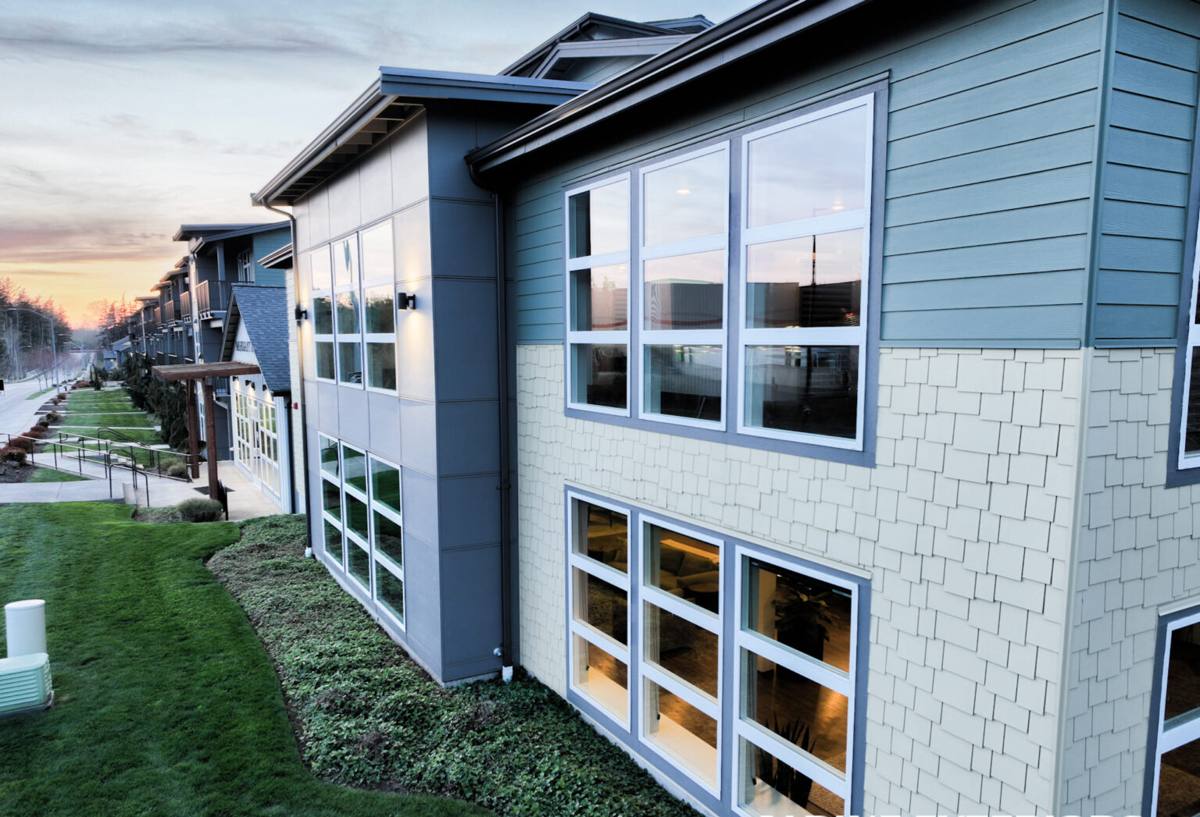
- HardieShingle: a shadow-line profile that reads well against the wooded, rural-adjacent character of a lot of Woodinville properties
Color and Wooded Lots
Homes surrounded by mature trees and greenery tend to read best in mid-tone grays, warm browns, and muted greens from the ColorPlus palette — colors that complement the landscape rather than fight it, and that show pollen, dust, and moss staining less obviously than stark whites do on a heavily shaded property. Bright whites and very dark tones both work, but each comes with a trade-off worth discussing before ordering material: white shows shaded-wall discoloration fastest, and very dark colors absorb more heat on the walls that do get afternoon sun.
Cost Factors for a Woodinville Hardie Project
Every project is different, but the variables that actually move the price on a Woodinville job tend to be consistent. We walk through these directly with homeowners rather than quoting a number before seeing the property.
| Factor | Why It Matters |
|---|---|
| Home size and number of stories | More square footage and taller walls mean more material and more labor, including staging for upper-story work |
| Existing siding removal | Tear-off adds labor and disposal cost, and can reveal sheathing repairs once the old material comes off |
| Trim and architectural detail | Gables, dormers, and multiple roof planes add cutting and flashing time beyond a simple rectangular wall |
| Product line and texture | Lap, panel, and shingle profiles carry different material and labor costs |
| ColorPlus vs. primed for field paint | Factory-finished ColorPlus costs more upfront but avoids a separate paint job and its own maintenance cycle |
| Site access | Larger, wooded, or gravel-access lots common in Woodinville can affect staging, equipment access, and material delivery logistics |
A Checklist Before You Hire a Siding Contractor in Woodinville
- Confirm current Washington contractor licensing and active liability insurance
- Ask for proof of James Hardie manufacturer certification, not just general siding experience
- Ask how they handle flashing and clearances around decks, grade, and rooflines specifically
- Get a written scope that separates the material warranty from the installer's workmanship warranty
- Confirm they'll pull the required local permit rather than skip it
- Ask how they've handled tree-covered or larger, harder-to-access lots similar to yours
Why a Crew That Already Works Woodinville Matters
A contractor who regularly works this part of King County already understands the practical realities of the area — larger lots with longer driveways and staging logistics that differ from a tight in-city job, tree cover that changes which walls of a house need the most attention, and whether a given property falls under unincorporated King County or City of Woodinville permitting. Some newer developments in the area also carry HOA architectural guidelines that affect approved siding colors and styles, and it's worth checking those covenants before finalizing a color or product line. None of this is complicated, but it's the kind of local knowledge that keeps a project from hitting avoidable delays.
It also shows up in how a crew reads a specific property — recognizing which walls stay shaded and damp longest, which sides take the most wind-driven rain given the local terrain, and building the installation and clearance details around those realities rather than treating every wall the same.
If you're planning a siding replacement or new install on a Woodinville property and want an honest look at what your home actually needs, we're happy to walk the site with you and put together a free, no-pressure estimate.